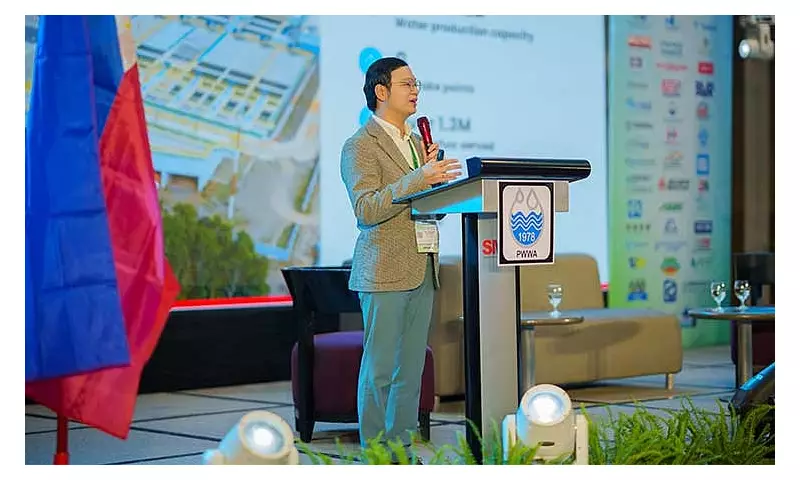
In a significant push for water sustainability, Apo Agua Infrastructura Inc. (AAII), part of Aboitiz InfraCapital, played a key role at the recent 31st Philippine Water Works Association (PWWA) International Conference and Exhibition.
Driving Innovation in Water Solutions
The event, held under the theme "Innovating water solutions: Sustainable pathways for a resilient future," took place at SMX Lanang in Davao from October 27 to 29, 2025. It served as a major platform for industry experts to discuss the future of water and sanitation in the country.
As part of the conference, Apo Agua organized facility tours for attendees interested in the Davao City Bulk Water Supply Project (DCBWSP). This project is recognized as the largest bulk water supply facility in the Philippines.

A Commitment to a Water-Resilient Davao
Ronnie Lim, AAII General Manager, emphasized their commitment, stating that their partnership with PWWA underscores the project's dedication to achieving sustainable water for everyone. He highlighted their goal of enhancing Davao City's water resilience through reliable solutions.
The conference also featured Engr. Christiane Henritz Batallones, AIC Water's assistant vice president for business development, as a plenary speaker. He detailed the successful public-private partnership (PPP) between the Davao City Water District and Apo Agua.
Tangible Results and Future Pathways
The collaboration has yielded impressive results. Apo Agua now supplies 300 million liters per day (MLD) of safe and sustainable water to over one million customers of the Davao City Water District.
This partnership has dramatically increased service coverage. DCWD's service connections jumped from 7,000 in 2022 to 21,000 in 2024, marking a phenomenal 200% improvement in just two years.
According to AIC Water, this success story demonstrates how public-private partnerships are vital for addressing the nation's water challenges. Batallones explained that by merging private sector innovation and investment with government oversight, PPPs become prime solutions for building a more water-secure future for the Philippines.