In a decisive move to prevent a repeat of catastrophic flooding, the Cebu City Council is advancing a groundbreaking public-private partnership to rehabilitate its vital waterways. The proposed Adopt-a-Waterway Program Ordinance, formally endorsed by Councilor Michelle Abella-Cellona on Tuesday, December 2, 2025, seeks to enlist corporations in the direct care and maintenance of rivers, creeks, and drains.
A Corporate Answer to Environmental Crisis
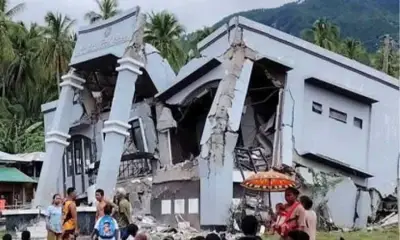
The ordinance is a direct response to the severe flooding that overwhelmed the city's drainage systems in 2025. The disaster, exacerbated by Typhoon Tino on November 4, caused significant property damage, widespread traffic paralysis, and forced residents from their homes in low-lying areas. This event laid bare the chronic issues of clogged waterways and unchecked urban development.
Councilor Cellona's proposal draws inspiration from successful models worldwide. "Many cities nationwide and globally have successfully implemented programs wherein private corporations take responsibility for the upkeep of waterways adjacent to their properties," she stated. The program specifically targets major commercial players including:

- Malls and hotels
- BPO offices and industrial plants
- Hospitals and large institutions
How the Partnership Will Work
The framework creates a clear exchange of responsibilities and benefits. Private entities that adopt a waterway segment will commit to regular cleanup drives, managing vegetation, and performing minor rehabilitation works. They are also encouraged to install infrastructure like trash traps, floating barriers, or debris nets to intercept waste.
To make participation attractive, the City Government will offer a suite of incentives, including:
- Tax credits and fee discounts
- Public recognition campaigns
- Eligibility for environmental awards
In return, the city will provide technical guidance, engineering support, and establish a centralized monitoring system to track the program's progress and impact.
Priority Zones and Major River Systems
The city plans to systematically map all adoptable waterways, classifying them into three priority tiers to guide the effort effectively.
Tier 1 covers major rivers and creeks with the highest flooding risk. Critical areas include Barangays Talamban, Mabolo, Inayawan, Mambaling, Basak Pardo, Lahug, and Labangon.
Tier 2 encompasses waterways near small commercial districts, industrial estates, and major roads that are prone to clogging.
Tier 3 includes minor drainage channels and barangay canals that feed into the larger flood pathways.
The central focus remains on Cebu City's major river systems: the Bulacao, Kinalumsan, Guadalupe, Lahug, Mahiga, and Butuanon Rivers, along with the Estero de Parian.
The ordinance also establishes consequences for non-compliance. Violations such as illegal dumping or abandoning an adopted segment will result in the revocation of incentives, monetary penalties, and disqualification from future city programs. This multi-sectoral strategy is viewed by the City Council as an essential step toward building a more resilient city and safeguarding its residents and economy from future climate-related disasters.