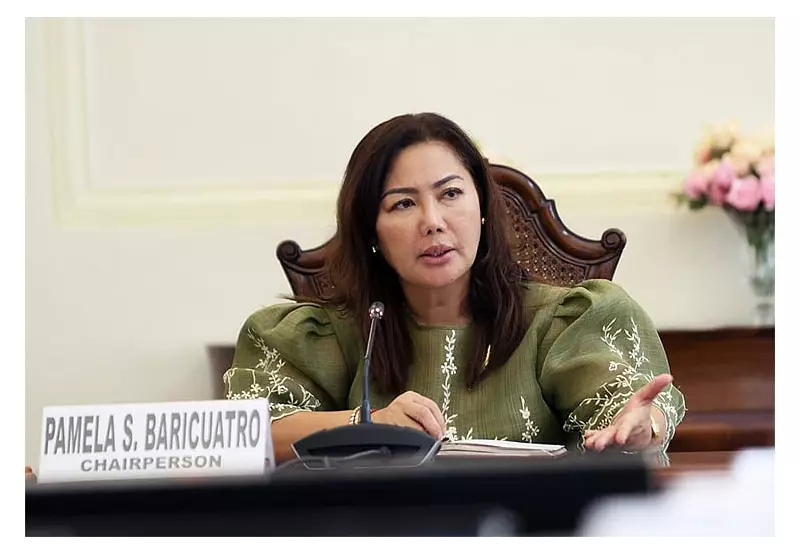
In a decisive response to recent catastrophic flooding, the Cebu Provincial Government is breathing new life into the long-dormant Mega Cebu blueprint. Governor Pamela Baricuatro is championing the creation of a comprehensive, integrated water management system designed to combat the dual threats of worsening floods and impending water scarcity across Metro Cebu.
A Wake-Up Call from Typhoon Tino
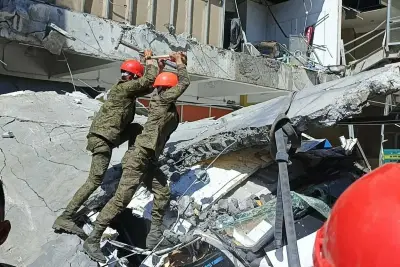
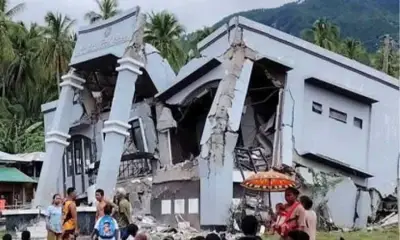
The push for action comes directly in the aftermath of Typhoon Tino, which caused widespread flooding across several towns in Cebu. On Tuesday, November 11, 2025, Governor Baricuatro, who now also chairs the Regional Development Council (RDC) in Central Visayas, announced the urgent initiative. She confirmed the plan will be formally presented to the RDC’s Infrastructure Committee to prioritize the establishment of a provincewide water management system.
This ambitious plan is not a new concept but a critical component of the Mega Cebu Sustainable Urban Development Master Plan originally crafted back in 2015. The master plan was designed to foster a coordinated approach among local government units for managing vital water resources, preventing destructive floods, and controlling unchecked urban sprawl.

Emerging from Political Limbo
For years, the implementation of this visionary plan was stalled. The central coordinating body, the Mega Cebu Development and Coordination Board (MCDCB), was established during the tenure of former governor Hilario Davide III and the late business leader Bobby Aboitiz. However, the board has not convened since January 2020, bringing integrated flood control and water management projects to a grinding halt.
With the MCDCB inactive, the responsibility for flood control fell primarily to the Department of Public Works and Highways (DPWH). This meant projects were carried out without the crucial inter-local coordination the board once provided. The situation was further complicated by public skepticism, as critics have linked some flood control projects to corruption, eroding trust in infrastructure solutions.
A Renewed Push for Unity and Action
Governor Baricuatro emphasized that reviving the Mega Cebu framework is essential for crafting a unified and effective response to the region's escalating environmental challenges. While the Provincial Government’s own 2018-2028 development plan had already adopted strategies like “cluster development” and “urban limits,” enforcement has been lacking.
“The goal is to restore inter-local cooperation and ensure that water management becomes a shared responsibility,” Baricuatro stated. Her leadership signals a return to the collaborative model that was once the hallmark of the Mega Cebu vision. This move is widely seen as a crucial step in confronting the region's fragmented urban growth, inadequate drainage systems, and the mounting risks posed by climate-related disasters.