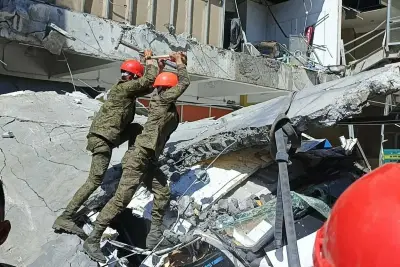
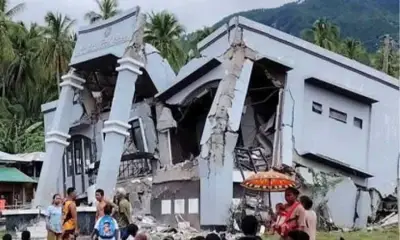
More than a week after Typhoon Tino (Kalmaegi) battered the region on November 4, 2025, thousands of households in Cebu City continue to endure a severe water shortage. The storm's intense flooding and flash floods caused extensive damage to critical water infrastructure, crippling the city's supply and forcing a large-scale emergency response.
Widespread Damage to Water Sources
The Lusaran Dam, a primary water source for the metro, sustained heavy damage. This single failure has cut off a daily supply of approximately 30,000 cubic meters of water. Metro Cebu Water District (MCWD) spokesperson Minerva Gerodias provided a stark illustration of the loss, equating it to 30 million one-liter bottles of Coke, enough to serve around 30,000 households.
This volume represents roughly 10 percent of MCWD's total daily production of 275,000 cubic meters. The crisis extends beyond Lusaran. Repairs at the Jaclupan Dam in Talisay City were delayed after crews discovered a submerged leak, affecting southern barangays like Bulacao, Pardo, and Inayawan. The Buhisan Dam in Cebu City also reported disruptions.

Compounding the problem, the network of JE Hydro, a separate supplier, remains partially offline, cutting water to areas including Busay, Lahug, Apas, and Guadalupe.
Impact and On-the-Ground Reality
In total, the cumulative damage has left an estimated 70,000 households without reliable water access. The affected areas span Compostela, Talisay City, and numerous barangays in Cebu City such as Buhisan, Lahug, Tisa, Labangon, and Mambaling.
Cebu City Mayor Nestor Archival, who visited the Lusaran site on November 8, described the scene as "devastating." He reported that flash floods and landslides destroyed homes, overturned vehicles, and damaged the local market, rendering about 150 families homeless.
"What I saw is beyond imagination. People are in shock, but their courage stands out," Mayor Archival stated. His administration is focusing on clearing roads, repairing a collapsed bridge, and establishing temporary shelters for displaced families.
The Race to Restore Supply
Restoration efforts are facing significant hurdles. Gerodias explained that the Lusaran facility requires extensive cleaning and rehabilitation. A major obstacle is access, as the bridge leading to the water treatment plant collapsed during the typhoon.
In response, the Cebu City Government has deployed heavy machinery, including payloaders and backhoes, to clear debris and reopen blocked roads. While MCWD is providing water rationing through tankers, Gerodias admitted that their wide service area makes daily delivery to all residents a challenge.
Officials have issued a tentative timeline, noting that operations at Lusaran Dam are expected to resume about a week after power is restored to the facility, which was still offline as of Wednesday, November 12. MCWD aims to complete repairs at the Jaclupan and Buhisan dams early.
Mayor Archival has urgently called for water conservation, asking residents to "reuse, recycle and reduce water waste." He also appealed for volunteers to assist the hard-hit upland communities in Lusaran. MCWD has assured customers that billing will be based on actual consumption during this period, with no additional charges.
Gerodias affirmed the utility's commitment, stating, "We are working as fast as possible to restore water service and aim to fully recover before the end of the year." For tens of thousands of residents, that recovery cannot come soon enough.