Cebu City Braces for Water Shortage After Typhoon Damage
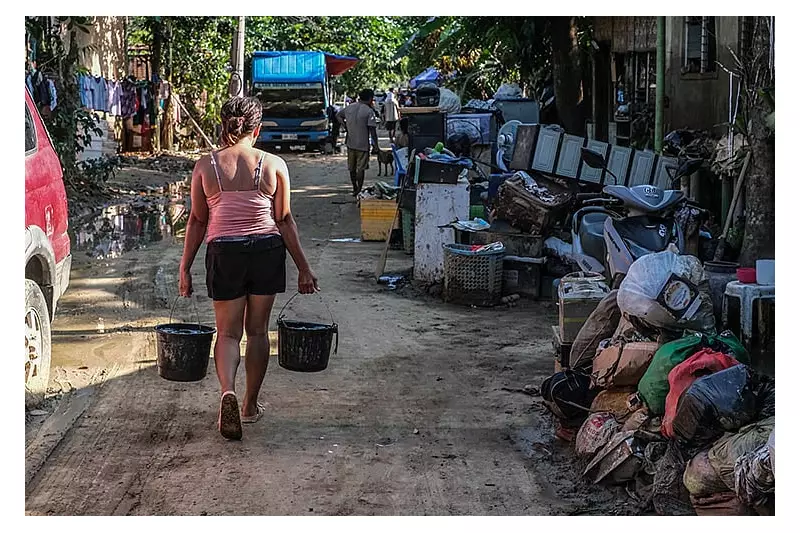
Cebu City is preparing for potential water shortages in the coming days after one of its main water sources was severely damaged by Typhoon Tino. The destruction has prompted Mayor Nestor Archival to appeal to residents to conserve water while mountain barangays continue their recovery efforts.
Critical Infrastructure Damaged
The Lusaran Dam, which previously supplied 20 million liters of water daily to the Metropolitan Cebu Water District (MCWD), suffered extensive damage from flooding and landslides triggered by the powerful storm. Mayor Archival, who visited Barangay Lusaran on November 8, described the devastating transformation of the area: "This was once a place abundant with food and water, but now there's almost nothing left."
The loss represents significant pressure on the city's water supply system, even though it constitutes only about eight percent of MCWD's total daily production of 250 million liters. "Even if that's just eight percent of total production, its absence is already being felt across several barangays," the mayor stated during a November 10, 2025 press conference.

Recovery Challenges in Mountain Areas
Restoration efforts at the dam face multiple obstacles. The pumping station operated by JE Hydro remains without electricity and accessible roads, significantly slowing recovery operations. According to MCWD estimates, approximately 67 percent of water supply and 80 percent of power have been restored citywide, but distribution remains limited to about 60 percent due to infrastructure damage in mountain areas.
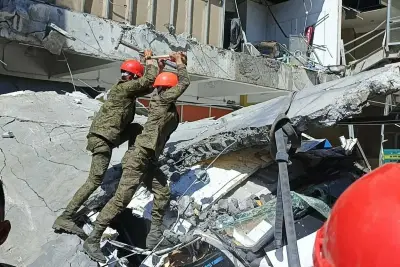
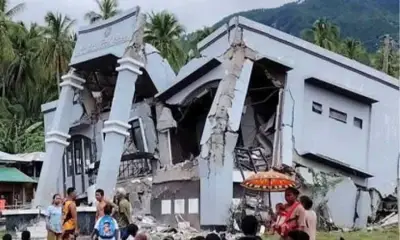
Barangay Lusaran emerged as one of the most severely affected communities in the city. The area lost its main bridge, isolating residents and blocking emergency vehicles and relief trucks from entering. The local market was wiped out, and at least 150 families, mostly living near riverbanks, completely lost their homes.
"What I saw was unimaginable. People are shocked, but their courage remains strong. We're focusing first on clearing roads, repairing the bridge, and building temporary shelters," Archival explained.
Coordinated Response and Conservation Appeal
The city government has deployed payloaders, backhoes, chainsaws, and hauling teams to reopen roads and stabilize collapsed slopes. Water tankers from various agencies are providing drinking water to affected sites, while relief operations continue to distribute food, clean water, blankets, and hygiene kits prioritizing senior citizens, persons with disabilities, and pregnant or nursing mothers.
Mayor Archival reiterated his call for all Cebuanos to help conserve water while repair work continues on the city's water systems. "I appeal to everyone: reuse, recycle, and reduce water waste. Every drop counts while we're fixing Lusaran," he emphasized.
The mayor also encouraged volunteers and civic groups to assist in recovery efforts, directly appealing: "Let's go to Lusaran. They need more help."
Meanwhile, MCWD clarified that consumers won't be charged for water they didn't consume during the restoration period. MCWD spokesperson Minerva Gerodias assured that damaged pipelines and utility facilities will be repaired at no additional cost to consumers. "Your bills will not increase due to system damage. You will only pay based on actual water consumption," she confirmed.
Restoration crews continue working to repair damaged water lines and rehabilitate the distribution network heavily affected by Typhoon Tino.