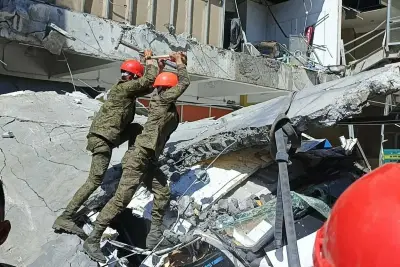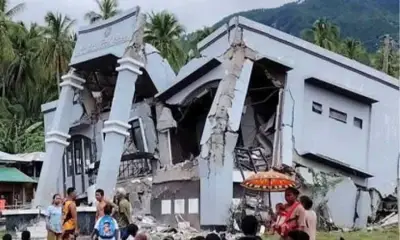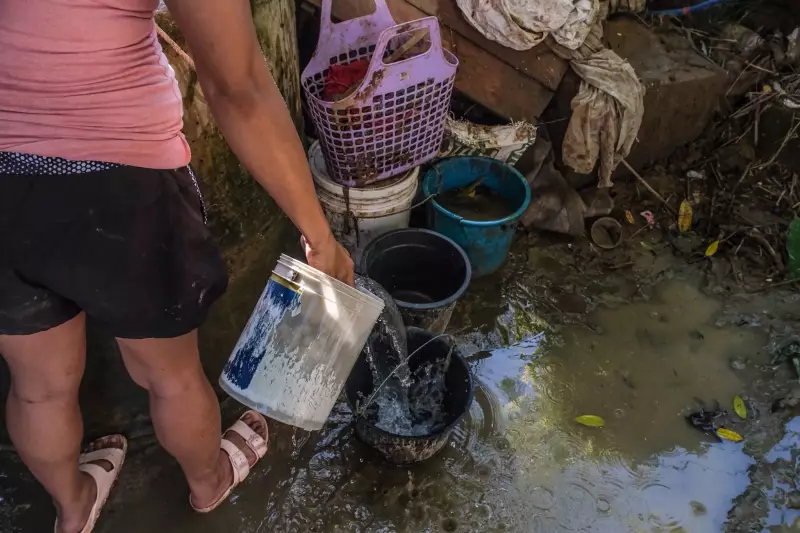
Nearly two weeks after Typhoon Tino unleashed widespread destruction across Cebu Island, a critical water shortage continues to plague Metro Cebu. Households and businesses remain trapped in a daily struggle for potable water, with restoration efforts progressing slowly despite power returning to many areas.
The Metropolitan Cebu Water District confirmed on Tuesday, November 18, 2025, that water supply has not normalized due to severe infrastructure damage caused by the typhoon. This has forced residents and entrepreneurs to find expensive and difficult alternatives for their daily water needs.
Businesses Bear the Brunt of Water Crisis
The prolonged water outages have severely disrupted both daily life and commercial activities across the region. Establishments that depend heavily on water for their operations are reporting significant financial losses and operational challenges.

Carl Cabusas, president of the Talisay City Chamber of Commerce, confirmed that while most businesses have managed to reopen, they continue to face substantial setbacks. He identified the unstable water supply as the single biggest challenge confronting the local business community.
The impact on individual businesses has been devastating. Ariel Adanza, who operates both a water refilling station and a laundry shop in Talisay, reported that persistent low water pressure continues to hamper his production capacity.
Another laundry shop in the city described how their service turnaround time has exploded from one day to three to five days. Their staff now wakes up at 2 a.m. daily to monitor water pressure and fill storage tanks during brief periods of availability. The situation became so dire that one laundry business was forced to close a branch in Talisay and outsource its workload to other locations with better water access.
Residents Endure Extreme Hardships
Ordinary citizens are facing even greater challenges in their daily lives. Narvie Borja, a student from Sitio Anapog in Barangay Lahug, Cebu City, was compelled to abandon her home and relocate to relatives in Carcar City due to the complete absence of water.
She now undertakes an exhausting daily commute to her classes in Cebu City while simultaneously caring for her four younger siblings. Although Barangay Lahug provides water every other day, she noted that only households located near the main road actually benefit from this service.
In Consolacion, a resident identified only as Sai reported being without water for 14 consecutive days since Typhoon Tino caused massive flooding on November 4. Her family survives by using a long hose connected to a neighbor who has a non-MCWD water source, paying extra for this access and waking up early to fill their storage drums.
Alex Bordiano of Tres de Abril St. in Cebu City said his area has been without water since November 10. He has witnessed residents lining up for water tanker deliveries and has been forced to purchase mineral water for basic household needs.
Infrastructure Damage Behind Water Shortages
MCWD has pinpointed specific, severe infrastructure damage as the root cause of the ongoing supply crisis. As of November 18, MCWD information officer Minerva Gerodias reported that the district had restored 76 percent of its total water supply.
This translates to 208,599 cubic meters of water being produced daily, compared to the normal output of 275,000 cubic meters before the typhoon struck.
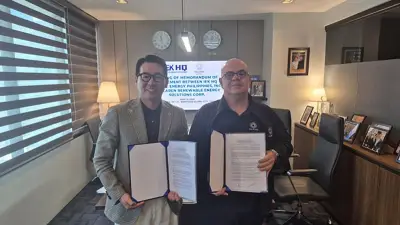
Gerodias explained that the persistent low pressure and complete water outages affecting many areas stem from two major facilities remaining offline: the Jaclupan facility in Talisay City and the JE Hydro plant at the Lusaran reservoir in Cebu City.
The situation is particularly critical for residents of Barangay Guizo in Mandaue City, where 17,000 cubic meters of water supply remain unavailable. This shortage resulted from a double disaster: flooding that affected their supplier in Compostela and the complete collapse of a transmission pipe from their Consolacion supplier.

Communication Breakdown Fuels Public Frustration
Beyond the water shortage itself, public frustration has mounted over MCWD's communication efforts. Clariza Mae Sevilla of Guizo described the utility's hotline as virtually unreachable, recounting how she waited on hold for two hours only to have her call disconnected.
She also characterized the water district's online responses as generic and unhelpful. The communication gap widened when MCWD disabled the comments section on its official Facebook page, a move questioned by residents like Sai.
In response, Gerodias clarified that this decision was intended to direct consumers to the utility's official Messenger account, where customer service representatives could better address individual concerns. She acknowledged the extensive hotline wait times, attributing them to high call volume being handled by a limited staff.
Restoration Timeline and Legal Warnings
MCWD has outlined immediate plans to accelerate service restoration. To address the critical damage at the Jaclupan facility, the utility plans to bypass the estimated three-month repair period for the main damaged pipe.
Instead, workers will install a new, separate pipeline from a different supplier to connect the Lagtang reservoir in Talisay with the Tisa reservoir in Cebu City. Gerodias provided an optimistic timeline, suggesting that water from the Jaclupan source could resume as early as Thursday, November 20.
Some residents have received tentative restoration dates. Narvie Borja in Lahug mentioned being told by an MCWD worker that her area's water supply would be fully restored before the end of November, possibly by November 26.
Meanwhile, as repair work continues, MCWD issued a stern advisory reminding the public that unauthorized drilling, puncturing, or altering of its pipelines is illegal. The utility warned that such actions could cause additional service interruptions, water loss, or contamination of the supply system.