Metro Cebu Implements Strict 'No Segregation, No Collection' Policy to Address Garbage Crisis
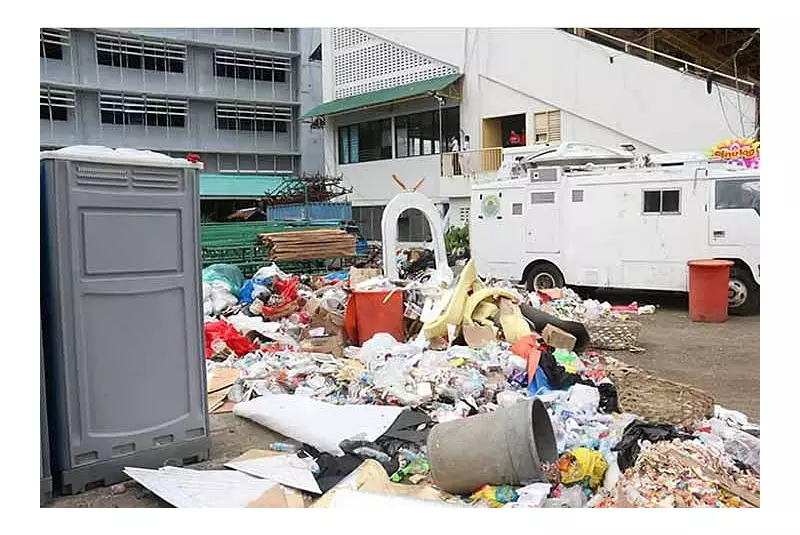
Metro Cebu is confronting a severe garbage crisis, prompting local governments to enforce a major overhaul in waste disposal practices. Effective Monday, January 26, 2026, cities across the metropolitan area have officially rolled out a 'No Segregation, No Collection' policy. Under this new rule, garbage trucks will refuse to collect trash that is not properly sorted into designated categories, leaving it behind for residents to handle.
Root Cause: Binaliw Landfill Closure After Tragic Landslide
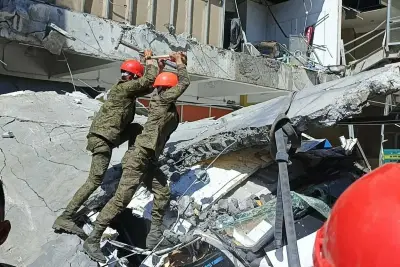
The policy crackdown follows a critical development at the Binaliw landfill in Cebu City. The Department of Environment and Natural Resources 7 issued a cease and desist order after a devastating landslide claimed 36 lives. This closure has left cities with no viable location to deposit unsorted waste, intensifying the urgency for systemic change in waste management.
Cebu City's Phased Approach to Compliance and Fines
Cebu City, which generates approximately 600 tons of trash daily, is adopting a gradual implementation strategy. Mayor Nestor Archival emphasized that residents will be given time to adapt before penalties are enforced.

- Now until February 15: The city is conducting trial runs and educational campaigns to teach proper waste sorting techniques.
- February 15: Collection will prioritize biodegradable and correctly sorted items.
- March: The strict phase begins, with citations and fines imposed on non-compliant households.
"Residents should understand that the March implementation refers to the stage where citations and fines will be applied," Mayor Archival stated. To support the transition, the city has deployed five additional trucks for night collection and is utilizing machinery to shred up to 40 tons of plastic each day.
Inayawan Transfer Station: A Temporary Solution
In addition to these measures, Cebu City is seeking government approval to establish a temporary transfer station in Inayawan. Mayor Archival clarified, "This is not about opening a new landfill. It’s a temporary measure to manage garbage efficiently while we explore long-term alternatives."
Mandaue City's Disposal Crisis and Urgent Appeals
Mandaue City officials describe their situation as a "disposal crisis," managing 210 tons of waste daily. Heavy reliance on the Binaliw landfill means any delays could exacerbate the problem. Araceli Barlam, head of the City Environment and Natural Resources Office, estimated that the landfill might require at least three months to recover. She issued a stern warning against leaving trash on streets, stating, "Our law is clear. Waste should only be handed over once the truck arrives. It should not be left outside." Barlam stressed that community cooperation in segregation is essential to maintain manageability.
Lapu-Lapu City's Color-Coded System and Hefty Penalties
Lapu-Lapu City has introduced a precise, color-coded bin system to streamline waste sorting:
- Green Bins: For biodegradable waste such as food scraps and garden trimmings.
- Blue Bins: For recyclables including bottles, paper, and cans.
- Black Bins: For residual or non-recyclable items.
Mayor Ma. Cynthia “Cindi” Chan announced a rigorous penalty structure for non-compliance:

- Households: Initial warnings followed by fines escalating from P300 to P1,000.
- Businesses: Fines ranging from P1,500 to P5,000, with potential permit revocation after three violations.
- Trash Haulers: Repeat offenders may face legal action in court.
Broader Implications and Future Directions
This metro-wide initiative serves as a critical wake-up call for all Metro Cebu residents. While local governments investigate long-term solutions like waste-to-energy technology, immediate relief hinges on widespread behavioral change at the household level. Mayor Archival reflected, "It takes time, I’ll tell you, but we make it work." The overarching objective is to reduce dependency on landfills and foster a collective sense of responsibility among citizens for sustainable waste management.