Amihan Persists, Bringing Light Rains to Most Philippine Regions
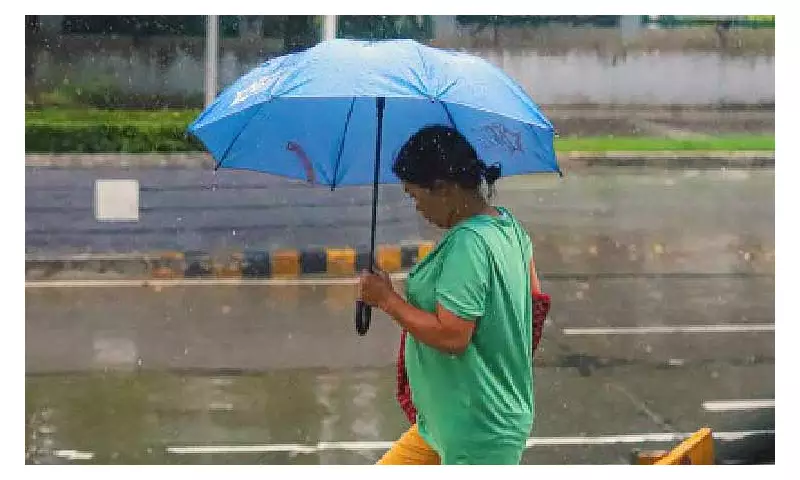
The Philippine Atmospheric, Geophysical and Astronomical Services Administration (PAGASA) announced on Friday that the prevailing northeast monsoon, locally known as amihan, will continue to affect weather conditions across the archipelago. Most parts of the country are expected to experience light rains as this seasonal wind pattern maintains its influence.
Affected Regions and Forecast Details
According to PAGASA, specific areas will see more consistent light rainfall. These include:
- Cagayan Valley
- Bicol Region
- Eastern Visayas
- Caraga
- Northern Mindanao
- Davao Region
- Apayao, Ifugao, Kalinga, and Mountain Province
- Aurora, Quezon, and Oriental Mindoro
For Metro Manila and the remaining parts of the Philippines, isolated light rains are likely, indicating sporadic and less intense precipitation. Residents in these areas should prepare for occasional damp conditions that may impact daily activities and travel.

Wind and Sea Conditions
PAGASA also highlighted significant wind and sea disturbances. Strong to gale-force winds are forecast, accompanied by rough to very rough seas, particularly across the eastern sections of:
- Southern Luzon
- Visayas
- Mindanao
These conditions pose risks to maritime operations and coastal communities, advising caution for fishermen and sea travelers. In other regions, winds will be moderate to strong, with moderate to rough coastal waters, suggesting manageable but noticeable sea state changes.
Low Pressure Area Updates
In related weather developments, PAGASA provided an update on low pressure areas (LPAs). The agency stated that the LPA, formerly known as tropical cyclone Ada, along with another LPA outside the Philippine Area of Responsibility, are still unlikely to develop into cyclones within the next 24 hours. This assessment offers temporary relief from potential storm threats, allowing authorities and the public to focus on the current monsoon effects.
The ongoing amihan season underscores the importance of staying informed through official weather bulletins to ensure safety and preparedness across the nation.