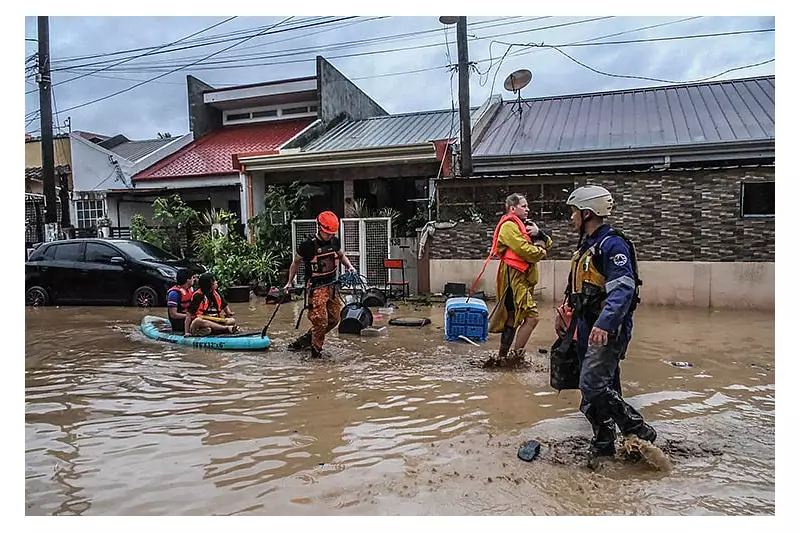
Following the devastation of Typhoon Tino, which submerged entire neighborhoods in Cebu City, health authorities are now bracing for a secondary crisis: a potential surge in leptospirosis cases. The severe flooding that occurred on November 4, 2025, forced residents of Villa del Rio in Bacayan to be rescued or wade through chest-deep waters, with flood levels reaching the second floor of homes and destroying numerous vehicles.
Understanding the Leptospirosis Threat
The Department of Health is urging extreme public vigilance as the risk of leptospirosis infection rises in the wake of the calamity. This serious bacterial infection is commonly transmitted through water contaminated with the urine of infected animals, particularly rats. Doctors emphasize that while avoiding floodwater is the best prevention, it was an unavoidable reality for many during the typhoon's peak.
Health experts specifically warn individuals with any open wounds or scratches on their feet to take extra precautions, as stepping into contaminated water significantly increases the risk of infection. Leptospirosis can be fatal if not treated promptly, especially for those with compromised immune systems.

Cebu's Proactive Government Response
In a decisive move to combat this health emergency, Governor Pamela Baricuatro has ordered the creation of the Cebu Provincial Leptospirosis Task Force. This new body is tasked with a multi-pronged mission to manage the situation effectively.
The task force's key responsibilities include:
- Leading all emergency operations related to the disease.
- Coordinating case triage and hospital referrals through local Rural Health Units (RHUs).
- Ensuring patients receive immediate and proper treatment.
- Guaranteeing strict adherence to DOH health guidelines.
Funding for these critical operations will be sourced from the Provincial Disaster Risk Reduction and Management Office (PDRRMO) and the Provincial Health Office.
Critical Symptoms to Watch For
Authorities continue to remind the public that immediate medical attention is crucial. Anyone who has been exposed to floodwater and later experiences fever, muscle pain, and redness of the eyes should seek professional healthcare without delay. Early diagnosis and treatment are vital to preventing severe complications from leptospirosis.