Communities in Cebu are taking decisive action, launching preemptive evacuations as Tropical Depression Verbena approaches the region. This comes just three weeks after the province was severely battered by Typhoon Tino, with residents and authorities still grappling with the trauma and damage.
Zero-Casualty Goal Drives Early Evacuations
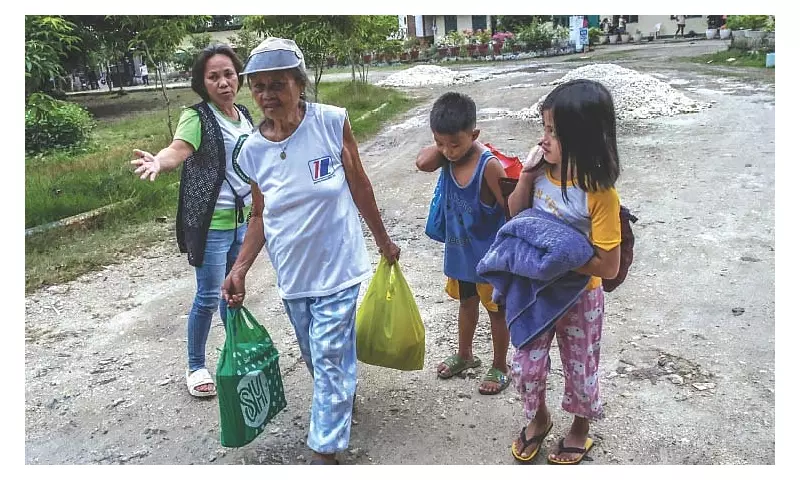
Disaster offices across Cebu have unified behind a single, critical objective: achieving zero casualties. In Cebu City, the Disaster Risk Reduction and Management Office (DRRMO) began moving residents from high-risk zones early on Monday, November 24, 2025. Councilor Dave Tumulak, who leads the city's DRRMO committee, stated that families living near riverbanks were the top priority.
The evacuations systematically prioritized the most vulnerable, including the elderly, persons with disabilities, pregnant women, and children. This coordinated effort followed meetings between barangay leaders and city disaster teams. Tumulak firmly reiterated the ban on rebuilding in designated "no-build zones" along the rivers, a directive from the city mayor.

A Perfect Storm of Weather Systems
The threat is not from Verbena alone. Councilor Tumulak explained that a convergence of weather patterns is amplifying the danger. "There are four factors: the shearline, the northeast monsoon, and this tropical depression. We are expecting heavy rains, not strong winds," he detailed.
The state weather bureau, Pagasa, has raised an orange rainfall warning, signaling the potential for intense downpours. While Cebu is under Tropical Cyclone Wind Signal No. 1, the primary concern is widespread flooding, especially since many rivers remain heavily silted from Typhoon Tino.
The Cebu Provincial Government echoed the zero-casualty aim. Dennis Pastor, head of the Provincial DRRMC, confirmed that all local government units were placed on heightened alert. Governor Pamela S. Baricuatro ordered the suspension of all face-to-face classes in public and private schools starting Monday, as per Advisory 2025-01.
Learning from the Tragedy of Typhoon Tino
The memory of Typhoon Tino on November 4 is a driving force behind the extensive preparations. In Mandaue City, Mayor Thadeo Jovito 'Jonkie' Ouano ordered preemptive evacuations for communities along the Butuanon and Mahiga rivers. He noted that drainage systems, still clogged from the previous storm, make the area highly vulnerable to even moderate rain.
Mandaue's DRRMO head, Buddy Ybañez, identified approximately 9,000 households for potential relocation, with those closest to the rivers evacuated first. The city is preparing for significant rainfall, with projections between 50 and 200 millimeters.
The trauma from Tino remains raw for survivors like Jerry Arcillas from Barangay Bacayan in Cebu City, whose home was completely washed away. His family, like many others, has rebuilt on higher ground, but the anxiety persists with every new weather disturbance.
Widespread Disruptions and Preparations
The storm's impact is already being felt across transportation and daily life. The Cebu Port Authority reported the cancellation of 268 sea trips as of Monday afternoon, stranding passengers who were advised to return home. Meanwhile, Cebu City Mayor Archival canceled an international speaking engagement in Yokohama, Japan, to oversee disaster operations personally, stating, "At a time like this, I need to be here."
Evacuation centers have been stocked with essential supplies, including rice and canned goods. Both Cebu and Mandaue cities have ensured that critical facilities have generator sets on standby. Mayor Ouano highlighted a key lesson from Tino, revealing that barangays are now prepared to cook meals locally to ensure timely distribution.
As Cebu braces for another test, the collective resolve is clear: to apply the hard lessons from a recent tragedy and protect every life from the impending rains of Tropical Depression Verbena.