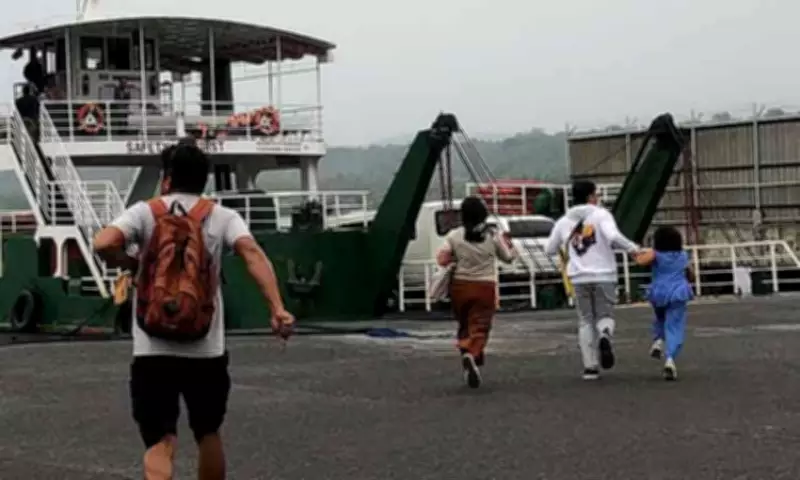
Commuters clutching bags of various sizes hurried across Sasa Wharf in Davao City on Thursday, February 5, 2026, in a frantic rush to catch the final boat trips to Island Garden City of Samal and Talicud Islands. This scramble came just before the Philippine Coast Guard suspended all sea travel due to rough conditions brought by Tropical Storm Basyang, which was intensifying across the region.
Resumption of Maritime Operations
All sea operations resumed the following day, Friday, February 6, 2026, as weather and sea conditions showed significant improvement. The Philippine Coast Guard District Southeastern Mindanao (PCG-CGDSEM) officially announced the lifting of restrictions, allowing boats and other watercraft to resume their regular schedules.
In its Sea Travel Advisory No. 02, issued under the guidance of the Philippine Coast Guard National Headquarters and based on the latest monitoring by the Philippine Atmospheric, Geophysical and Astronomical Services Administration (Pagasa), the Coast Guard declared that conditions are now generally safe for maritime travel. "This Advisory is in effect until the next further notice from this Station in reference to the weather forecast from DOST-Pagasa," the statement emphasized.

Safety Reminders and Ongoing Vigilance
The resumption follows several days of restricted sea travel caused by adverse weather conditions linked to Tropical Storm Basyang, which is internationally known as Penha. Despite the improved conditions, the Coast Guard strongly reminded vessel operators and passengers to remain vigilant and strictly observe all maritime safety regulations. Authorities highlighted that weather patterns can change rapidly, and caution is still advised.
Latest Update on Tropical Storm Basyang
As of the most recent Pagasa bulletin, the center of Tropical Storm Basyang was estimated to be in the vicinity of Bilar, Bohol, with coordinates at 09.6°N, 124.1°E. By 11 a.m. on February 7, the storm is forecast to move over the coastal waters of Nueva Valencia, Guimaras, indicating a continued path across the central Philippines.
While Wind Signal No. 2 has already been lifted, at least 32 provinces across Southern Luzon, the Visayas, and Mindanao remain under Wind Signal No. 1. Basyang is expected to traverse the southern portions of Bohol, Cebu, and Negros islands and may weaken into a remnant low over the Sulu Sea by Saturday evening.
Potential Impacts and Weather Warnings
Despite its anticipated weakening, the storm and its remnant low are still projected to bring heavy to intense rainfall over Central and Western Visayas, the Negros region, northern Mindanao, and Palawan through the weekend. Pagasa also issued a warning that a shear line could trigger moderate to heavy rains over the eastern and southern sections of Luzon, adding to the weather challenges.
Authorities have cautioned that widespread flooding and landslides remain possible in several affected areas. The public is urged to take all necessary measures to protect lives and property, staying informed through official advisories and avoiding unnecessary travel in hazardous zones.
Precautionary Measures and Disaster Preparedness
Earlier in the week, various local government units in the Davao Region proactively suspended classes as a precautionary measure amid the severe weather brought by Basyang. This move aimed to ensure the safety of students and staff as the storm approached.
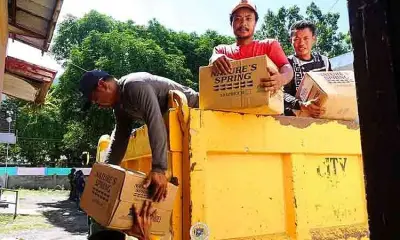
The Department of Social Welfare and Development (DSWD)-Davao reported that it has prepositioned 91,807 family food packs for communities that may be affected by the storm. Lennon Remotigue, DSWD-Davao focal person for disaster response operations, management, information, and communication, stated during a virtual press briefing on Wednesday that the agency has adequate supplies on hand to address potential needs.
Remotigue added that DSWD quick response teams are on standby to ensure immediate assistance to affected families as weather disturbances continue to impact parts of the country. This preparedness highlights the ongoing efforts to mitigate the effects of tropical storms and ensure community resilience in the face of natural disasters.