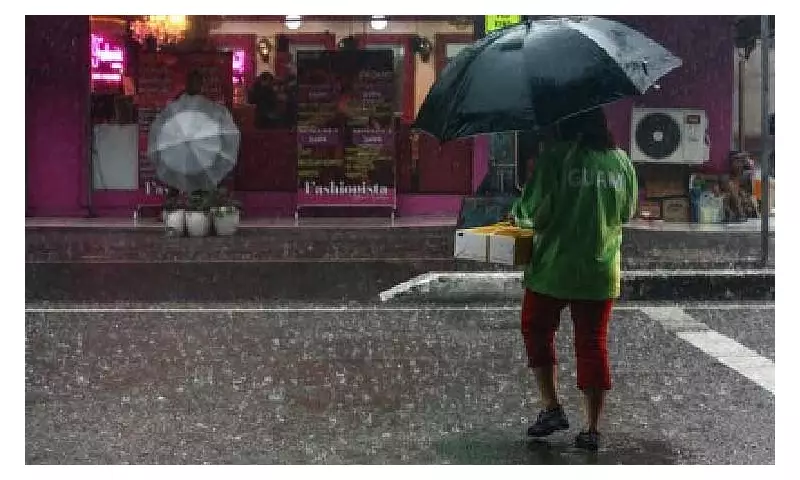
The Philippine Atmospheric, Geophysical and Astronomical Services Administration (PAGASA) announced on Friday that a significant portion of the country will continue to experience rainy conditions due to three active weather systems.
Multiple Weather Systems Bring Widespread Rain
State weather experts identified the intertropical convergence zone (ITCZ), the easterlies, and the northeast monsoon or amihan as the key drivers of the current weather pattern. These systems are simultaneously affecting different parts of the archipelago, leading to a complex forecast.
Regional Breakdown of Rain Impacts
The ITCZ is triggering scattered rainshowers and thunderstorms over the Caraga and Davao Regions, as well as Palawan. Meanwhile, the easterlies are influencing weather conditions in the Bicol Region, Eastern Visayas, and the provinces of Aurora and Quezon, resulting in similar wet conditions.

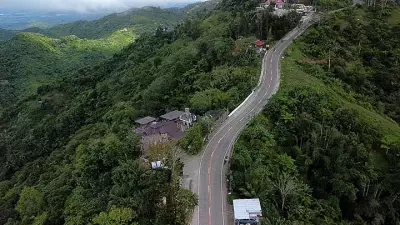
In Northern Luzon, the northeast monsoon is expected to bring rains over Cagayan Valley, Apayao, Kalinga, Mountain Province, and Ifugao. Residents in these areas are advised to be vigilant as moderate to heavy rains could lead to flash floods or landslides.
Isolated light rains from the amihan will also be felt in the Ilocos Region and the rest of the Cordillera Administrative Region. For the rest of the country, isolated rain showers are anticipated, caused by a combination of the ITCZ and easterlies.
Wind and Coastal Conditions
PAGASA also issued a wind and sea forecast. Moderate to strong winds coupled with moderate to rough coastal waters are expected in extreme northern Luzon and the eastern sections of both Luzon and Visayas. For other parts of the Philippines, conditions will be milder with light to moderate winds and slight to moderate seas.
No Tropical Cyclone Threat
In a related development, the weather bureau provided assurance that it is not currently monitoring any low-pressure area (LPA) that could develop into a tropical cyclone. This means the prevailing rains are not associated with an impending storm, but solely from the three weather systems.
Authorities continue to urge the public, especially those in high-risk areas, to stay updated on official weather bulletins and to take necessary precautions against potential flooding and landslides.