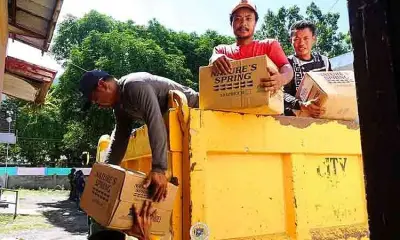
With the heat index soaring to as high as 44 degrees Celsius in Pampanga, stepping outdoors even around eight in the morning feels almost unbearable. The hot wind brushing against your face brings not just discomfort, but real danger.
Understanding the Threat of Extreme Heat
Extreme heat can significantly affect our physical condition, especially for those with pre-existing medical conditions such as hypertension. Tragically, even the seemingly healthy are not immune. Over the weekend, a colleague lost their life due to heat stroke. It was a stark reminder that this invisible threat can be fatal.
What is Heat Stroke?
Heat stroke, also known as sunstroke, is the most severe form of heat-related illness and is considered a medical emergency. It can result in death or cause lasting damage to the brain and other vital organs. While it is more common among individuals over 50 years old, it can also affect young, active individuals, including athletes.

This condition occurs when the body is exposed to prolonged high temperatures, often combined with dehydration, which disrupts its natural ability to regulate heat. Medically, heat stroke is defined by a body temperature exceeding 105 degrees Fahrenheit, accompanied by central nervous system dysfunction. Early warning signs may include fainting, followed by more serious symptoms such as a throbbing headache, dizziness, lack of sweating despite the heat, flushed and dry skin, muscle weakness, nausea, rapid heartbeat, shallow breathing, confusion, seizures, and even unconsciousness.
Preventive Measures Against Heat Stroke
Given these risks, it is crucial to take preventive measures. Whenever possible, remain indoors in a well-ventilated or air-conditioned space, especially during peak heat hours. If going outside is unavoidable, wear lightweight, loose-fitting, and light-colored clothing, along with a wide-brimmed hat for protection. Applying sunscreen with an SPF of at least 30 is also essential.
Hydration: Your Best Defense
Hydration is equally important. Drink plenty of fluids throughout the day, preferably water, fruit juice, or vegetable juice. Aim for at least eight glasses daily. For those engaging in outdoor activities or exercise, hydration must be increased: drink fluids before, during, and after physical exertion to prevent dehydration.
Adjusting Your Routine
When possible, reschedule outdoor tasks to cooler times of the day, such as early morning or after sunset. Small adjustments in routine can greatly reduce the risk of heat-related illnesses.
Conclusion: Stay Vigilant
As temperatures continue to climb, awareness and preparedness are our first line of defense. The heat may be unavoidable, but with the right precautions, its impact on our lives does not have to be devastating.