Discovering Cape Town's Heartwarming Dog Museum
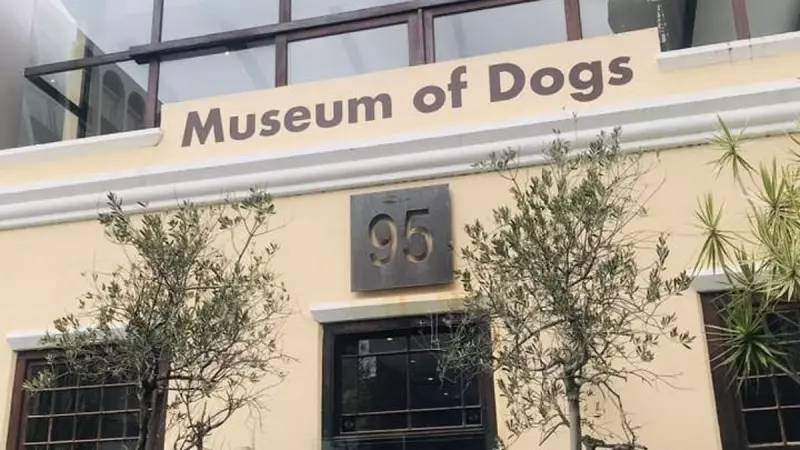
During a recent visit to Cape Town, I encountered something truly unexpected and delightful: the Dog Museum of South Africa. This unique cultural space offers a refreshing perspective on how museums can connect with visitors through personal stories and genuine emotion.
A Passion-Driven Space Celebrating Canine Companions
Tucked within what might be described as a carefully curated tourist area, Cape Town's Dog Museum represents a small but deeply sincere institution dedicated to celebrating dogs and the humans who have loved them throughout history. The museum originated from a personal collection assembled by dedicated dog enthusiasts who sought to preserve memories of their cherished companions through photographs, stories, and various memorabilia items.
Over time, this personal collection gradually evolved into a proper museum experience. While the museum isn't grand or imposing in architectural scale, its authenticity and heartfelt approach create a meaningful impact that larger institutions sometimes lack. The area surrounding the museum might feel somewhat staged for tourist consumption, but stepping inside reveals a completely different atmosphere where something genuine and heartfelt takes center stage.

Memory Over Spectacle: The Museum's Emotional Core
What greeted me inside wasn't spectacle or grandeur but something far more powerful: human memory and connection. The exhibits presented collections of stories about dogs that had been integral parts of families, personal lives, and significant milestones. Some narratives were humorous and lighthearted, while others carried quietly heartbreaking elements, yet all felt familiar to anyone who has ever formed a bond with a canine companion.
As both an artist and educator, I found myself slowing down to read every display carefully. The experience felt like encountering storytelling in a different, more intimate form. During my visit in the Christmas season, the museum featured a tree decorated entirely with dog-themed ornaments—tiny paws, miniature bones, and small dog figurines peeking from the branches created an atmosphere that was impossible to experience without smiling.
The overall feeling was less like visiting a formal museum and more like being welcomed into someone's personal living room—a space that felt genuinely personal and inviting rather than institutional or academic.
Philippine Potential: Celebrating Our Own Dog Stories
Standing in that Cape Town museum, I couldn't help but consider the possibilities for similar initiatives in the Philippines. Our country certainly doesn't lack compelling dog stories that deserve celebration and preservation. We have two officially recognized endemic breeds—the Asong Pinoy (commonly known as Aspin) and the Philippine Witch Dog—that represent unique aspects of our cultural and natural heritage.
Filipino dogs serve not merely as pets but as companions, guardians, survivors, and sometimes powerful symbols of resilience. We've witnessed viral dog stories like Kabang, who became a global icon of canine bravery after saving children from danger. Historical representations also exist, such as José Rizal's sculpture A Mother's Revenge, where a dog plays a significant symbolic role in the narrative.
Imagine these diverse stories gathered in a dedicated Philippine space—not overly polished or commercially overproduced, but simply told well with authenticity and heart. The potential for such a museum in the Philippines feels not only possible but particularly relevant given our rich cultural connections to animals.
Lessons for Philippine Cultural Development
The Cape Town Dog Museum demonstrates that successful niche museums thrive primarily on emotional connection rather than physical scale or lavish budgets. While the South African museum could potentially enhance its visitor experience with more audio-visual elements and expanded merchandise options—allowing people to take pieces of the stories home—its fundamental success stems from understanding that emotional resonance matters most.

We often assume museums must be grand, academic, or expensive institutions, but sometimes all that's needed is a clear concept, a focused theme, and the courage to declare that particular stories deserve preservation and sharing. Whether focused on dogs, food traditions, textile arts, or everyday community heroes, niche museums invite people to care about specific aspects of culture and history.
Walking out of the Dog Museum in Cape Town left me feeling unexpectedly hopeful. If a modest collection of canine memories can move international visitors so deeply, then surely we in the Philippines can create similar spaces that tell our own unique stories in our own distinctive ways—complete with all the wagging tails and heartfelt narratives that characterize our relationships with these remarkable animals.
The essential ingredients—imagination and compelling stories—are resources we already possess in abundance. The challenge lies in recognizing that sometimes the most powerful cultural institutions aren't the largest or most elaborate, but those that speak directly to the heart with authenticity and purpose.