DOH Says Nipah Virus Likely Already Present in the Philippines, Urges Public Vigilance
Amid growing concerns across Asia, the Department of Health (DOH) announced on Wednesday, January 28, 2026, that the Nipah virus is most likely already present in the Philippines. This statement comes as reports of cases in other countries, such as India, have sparked regional alarm.
Virus Believed to Be Circulating in Mindanao as Animal Reservoir
In a radio interview, DOH Spokesman Albert Domingo explained that the virus is believed to be in the country, with a particular focus on Mindanao, where the most recent detections have occurred. "It's probably here already, particularly in Mindanao. It is called a virus reservoir, which means the virus is circulating among animals, but not in humans," said Domingo. He emphasized that this reservoir status indicates the virus is active in wildlife but has not yet spread to human populations in the Philippines.
Health Precautions Advised to Prevent Transmission
Domingo advised the public to take specific precautions to minimize risk. These include:

- Avoiding contact with animals such as bats, pigs, or horses, especially if they appear sick.
- Cooking meats thoroughly and ensuring they are approved by the National Meat Inspection Service (NMIS).
"There are many kinds of viruses around, but we will not be affected if we are careful," he added, highlighting the importance of preventive measures.
Understanding the Nipah Virus and Its Risks
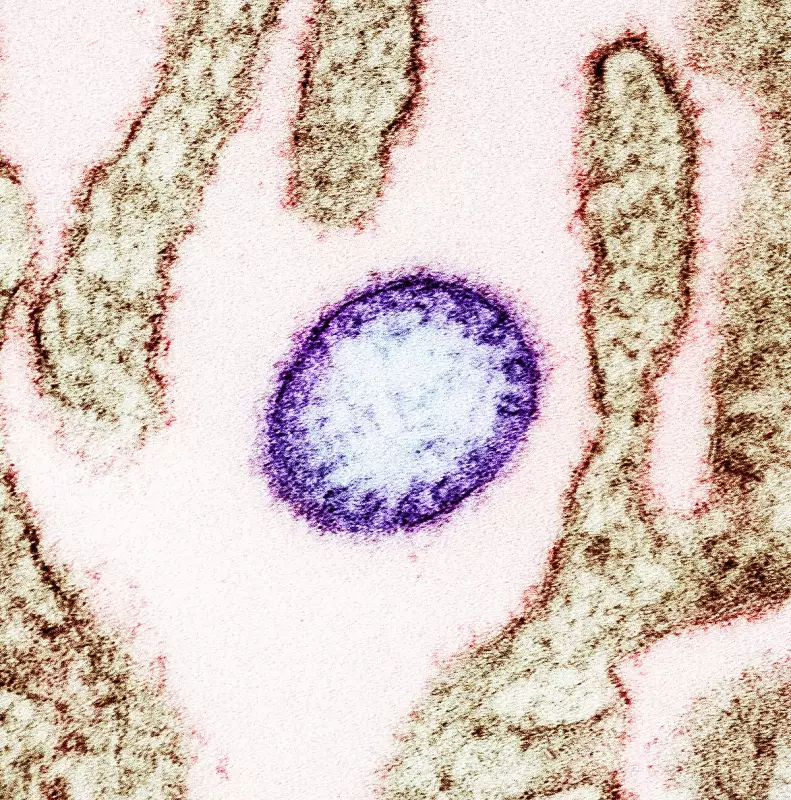
The Nipah virus is a zoonotic pathogen, meaning it can be transmitted from animals to humans through contaminated food or direct contact between people. It causes a range of illnesses, from asymptomatic cases to severe conditions like acute respiratory illness and fatal encephalitis. Domingo noted that while the virus has a higher mortality rate than some other diseases, it is less transmissible than Covid-19. "Nipah has a higher mortality rate but Covid-19 is more transmissible compared to Nipah. It's easier to contain Nipah because it's not airborne but rather needs close contact," he explained.
Past Success in Containment Provides Reassurance
Domingo urged the public to remain calm, pointing to the country's previous experience with the virus. "In the Philippines, it was last seen in 2014 in Sultan Kudarat. We were able to contain it. And it has not been seen again," he said. This successful containment of 17 cases in 2014 demonstrates the health system's capability to manage such outbreaks. "We should be on alert. But we should not be alarmed. Let us not be afraid and panic," Domingo concluded, emphasizing a balanced approach of vigilance without undue fear.