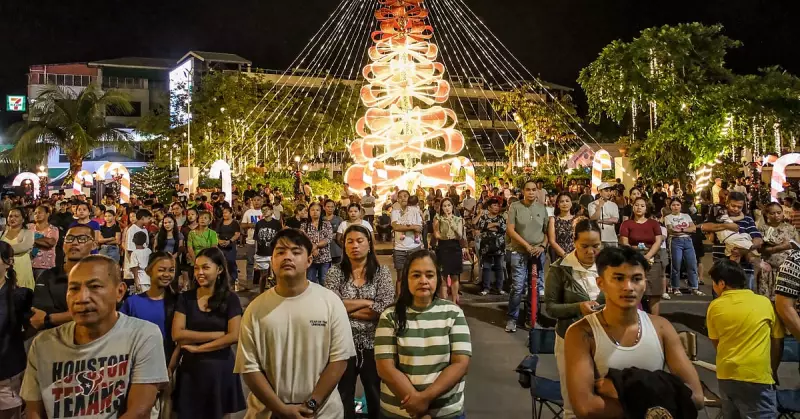
As dawn broke on December 20, 2025, thousands of Catholic faithful across Cebu province gathered in a profound display of devotion for the traditional Misa de Gallo, also known as Simbang Gabi. This nine-day series of dawn masses, a cornerstone of Filipino Christmas tradition, saw churches filled to capacity despite the early hour and morning chill.
A Dawn of Devotion Across Cebu
The sound of church bells ringing as early as 4:00 AM called the faithful to worship. In Mandaue City, devotees, known as Mandauehanons, congregated outside the National Shrine of St. Joseph. Residents from Barangay Talamban filled the San Isidro Labrador Parish Church for their mass. Meanwhile, the Cebu Metropolitan Cathedral and the Basilica Minore del Santo Niño drew massive crowds, with thousands of worshippers packing the historic sites.
A unique and colorful pre-mass parade featured The Three Kings riding camels through the streets near the Basilica and the Cathedral, adding a festive and biblical dimension to the solemn occasion.

Faith Intertwined with Daily Life and Culture
This religious observance is deeply embedded in Filipino Catholic culture, particularly among Cebuanos, showcasing their steadfast faith. The tradition is so integral that it accommodates all sectors of society. For instance, a special mass was held closer to the Carbon Public Market to allow vendors, porters, and early-morning shoppers the opportunity to attend before starting their workday.
Post-Mass Traditions: A Feast for the Senses
No Misa de Gallo experience is complete without the cherished post-mass tradition of sharing warm food. Immediately after the services, the areas outside churches, like the Cebu Metropolitan Cathedral, transformed into bustling food hubs. Vendors sold traditional Filipino breakfast treats, with devotees partaking in puto maya, budbod, and bibingka, often paired with a warm cup of sikwati (hot chocolate) to ward off the morning cold.
This annual practice, running until Christmas Day, remains a powerful testament to the community's shared faith and cultural identity, marking the joyful anticipation of the birth of Jesus Christ.