In a continuing effort to document and preserve the rich linguistic heritage of the Philippines, AKABI has published the latest installment in its comprehensive series on Cebuano word forms. This ongoing project, which began in the previous issue, now delves deeper into the fascinating phenomenon of word syncope in the Bisayan-Cebuano language.
Understanding Syncope in Cebuano Language
The current installment focuses specifically on "Huglong" or syncope, a linguistic process where one or two letters or syllables are removed from the middle portion of a word. This phenomenon represents one of several word forms commonly used in everyday conversation among Cebuano speakers.
What makes this linguistic feature particularly interesting is how it transforms words while maintaining their original meaning. The research highlights several compelling examples that demonstrate this principle in action.

Notable Examples and Patterns
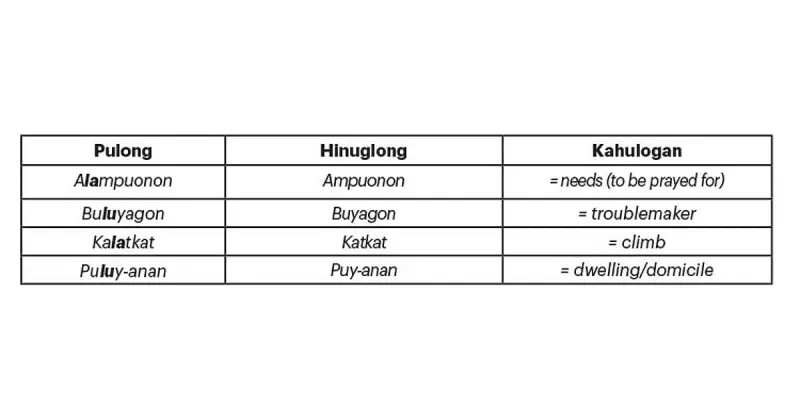
Several word pairs showcase this syncope phenomenon clearly. Words like "alampuon" and "ampuon," "buluyagon" and "buyagon," "kalatkat" and "katkat," as well as "puluy-anan" and "puy-anan" all share identical meanings despite their structural differences.
Researchers have identified a consistent pattern in these transformations. The syllables being removed typically contain the letter "l" followed by a vowel that matches the first syllable of the word. This systematic approach to word formation reveals the underlying structure of the Cebuano language.
Important Distinctions and Exceptions
While many word pairs maintain identical meanings despite syncope, the study also reveals crucial exceptions. Some words that appear to follow the same pattern actually have different meanings between their full and syncopated forms.
This distinction is vital for proper understanding and usage of the language. The researchers note that while the pattern holds true for many words, learners and speakers must be aware of these exceptions to avoid miscommunication.
The ongoing research by AKABI continues to shed light on the complexity and beauty of the Cebuano language. As the series progresses in future issues, more linguistic patterns and word forms will be explored, contributing to the preservation and understanding of this important Filipino language.