Have you ever wondered about the deep roots of the languages spoken across the Philippines? A fascinating exploration into linguistic history reveals the vast family tree to which Cebuano, Tagalog, and other native tongues belong.
The Birth of the "Austronesian" Concept
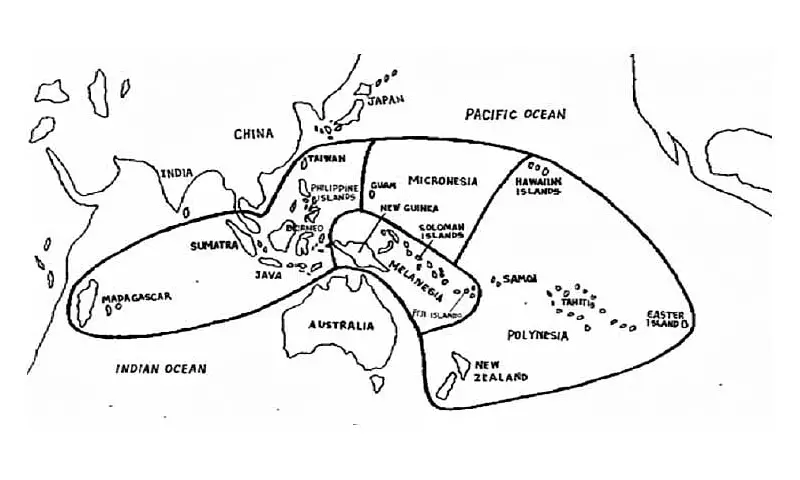
The term "Austronesia" was coined by Wilhelm Schmidt (1868-1954), a German missionary priest from the Society of the Divine Word (SVD). He formed the word by combining two elements: the Latin "austro" meaning south, and the Greek "nesos" meaning island. This name perfectly describes the geographical spread of these languages, which are predominantly found across the southern islands of the Pacific and Southeast Asia.
The World's Largest Language Family
Linguists classify the Austronesian languages as the single largest language family on Earth. This monumental group encompasses over 1200 distinct languages. To grasp its scale, it contains more than 200 languages beyond the Benue-Congo family of Africa and surpasses the Trans New Guinea languages of Papua New Guinea by over 600. As a collective, it ranks as the fourth largest language group globally by number of speakers.

In total, an estimated 300 million people are native speakers of an Austronesian language. This includes some of the world's most spoken tongues. For instance, Javanese ranks as the 13th most spoken language globally, while Malay-Indonesian holds the 9th position.
Where Filipino Languages Stand
Within this immense family, languages from the Philippines play a significant role. Tagalog is recognized as the 18th most spoken native language in the world. According to the 2000 census data, Tagalog had approximately 26,387,855 native speakers. Its close relative, Cebuano (Sinugboanon), followed with about 21,340,000 native speakers at that time.
The structural relationships between these languages are often illustrated in detailed genealogical maps, such as the one published by E.C. De Catalina in 2016, which helps visualize the complex branches of the Austronesian family. Understanding this lineage offers a powerful reminder of the shared cultural and historical heritage that connects Filipinos not only to each other but also to communities across a vast expanse of the globe, from Madagascar to Easter Island.