Ateneo Theologian Reflects on EDSA 40: Faith, Memory, and Non-Violent Struggle
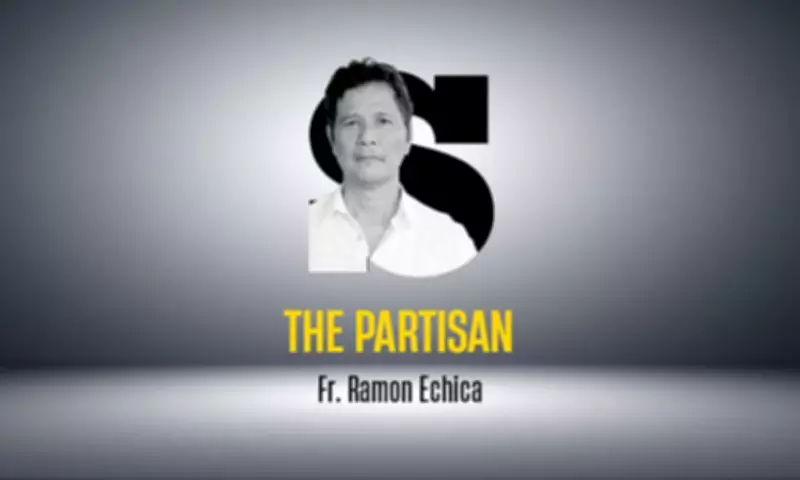
In a recent forum titled "Tayo ang People Power: Perspectives on EDSA @ 40" at Ateneo de Cebu, organized by the Catholic Educational Association of the Philippines, a theologian delivered a poignant reflection on the legacy of the 1986 revolution. The speaker began by confessing a personal regret: missing the historic EDSA People Power Revolution while studying at San José Seminary in Ateneo de Manila from 1983 to 1988.
Personal Regrets and Broader Struggles
During the Spiritual Pastoral Formation Year, the theologian and classmates were in Zambales conducting retreats when the uprising erupted, unable to return to Manila. However, the speaker emphasized that the EDSA revolt was not an isolated event but part of a prolonged democratic struggle ignited by martial law in 1972 and intensified by Ninoy Aquino's assassination in 1983. "I was part of the struggle," the theologian asserted, recalling participation in street protests and the massive funeral procession for Aquino.
Theological Formation Under Dictatorship
The era of militant activism profoundly shaped future religious leaders, including Cardinal Ambo David and Fathers Danny Pilario and Albert Alejo. The theologian noted that Marcos inadvertently molded a generation of activist priests, with seminary courses often linked to national crises. This period solidified commitments to human rights, free expression, and transparent leadership, values the speaker strives to uphold today.

Moral Debates on Armed Resistance
A key theological dilemma of the time was whether armed struggle was morally justified to overthrow the "conjugal dictator." Referencing Pope Paul VI's Populorum Progressio, which permits rebellion only under "manifest, long-standing tyranny," the theologian explained how this mirrored just war theory. Many activists were inspired by Christian faith, yet unknown to many, efforts like Father Jose Blanco's Aksyon Para sa Kapayapaan at Katarungan promoted active non-violence before EDSA.
EDSA's Legacy and Christian Memory
The revolution revealed a third path beyond armed conflict or passivity. Reflecting on its commemoration, the theologian employed the theological concept of memory, central to Judeo-Christian tradition. Jewish identity, for instance, hinges on remembering liberation from Egypt, as seen in Exodus 22:21. Christianity elevates memory further, with Jesus instructing disciples to remember his teachings and actions, especially in the Eucharist.
This memory must inform moral discourse, the speaker concluded, urging communities to draw on past struggles for justice and democracy. The EDSA anniversary thus serves as a call to action, rooted in faith and historical consciousness.