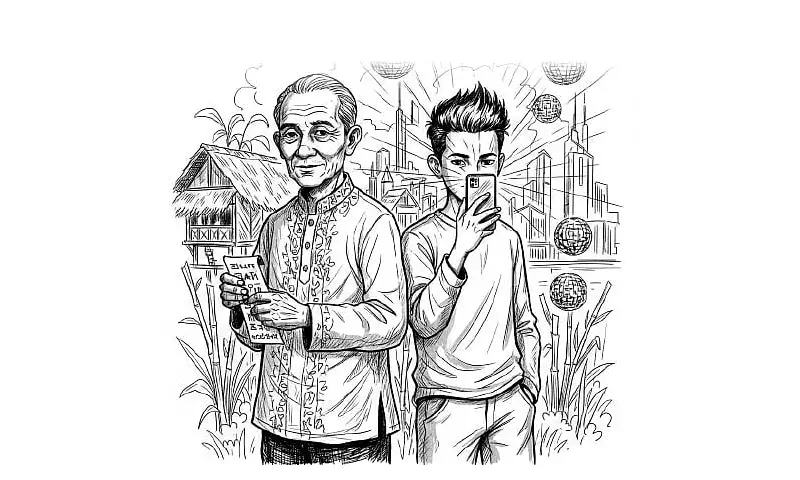
In the bustling city of Lapu-Lapu, Cebu, a cultural advocate voices deep concern about the gradual disappearance of traditional Filipino arts, particularly among younger generations. Mar Mañus, Jr., a resident of Basak-Iba, observes that while some youth still embrace ancient customs, most now dismiss them as outdated.
The Fading Spotlight on Stage Drama
Stage drama, once the centerpiece of community celebrations across the Philippines, now struggles to maintain relevance. While some provincial radio stations in Cebu continue organizing these performances during festivals, attendance has dramatically declined compared to previous eras.
During earlier times, communities would eagerly anticipate stage dramas during fiestas, considering them essential to complete any celebration. People would prepare as early as 3 PM, have dinner by 4 PM, and begin walking to distant barangays by 5 PM to watch evening performances, often returning home at dawn.

The commitment to experiencing cultural performances was so strong that audiences would walk long distances despite limited transportation options, demonstrating the art form's significant role in community life.
Modern Entertainment Replaces Tradition
Today's youth predominantly reject stage drama in favor of modern entertainment. Mañus recalls a telling incident when his cousin suggested inviting radio groups for stage drama during their barangay fiesta, only to face strong opposition from younger community members.
Younger generations now prefer disco with flashing lights and loud music over traditional performances. The cultural shift represents a broader pattern where contemporary entertainment forms displace heritage arts that once united communities across generations.
Lost Traditions: The Disappearing Poetic Tribute
Another casualty of changing times is the yukbo - the traditional poetic tribute offered to festival queens, kings, or muses. This practice, where someone would compose and recite verses honoring the celebration's royalty, has virtually vanished from modern fiestas.
Mañus personally experienced this tradition's significance, having been frequently chosen to compose and recite poems for festival royalty due to his reputation as a skilled poet. His work reached broader audiences through radio programs like Roger Solante's Ikaw, Ako Ug Ang Awit on DYMF Cebu and Eddie Abellana's Mga Dagang Ug Pluma on DYCB.
His poetic achievements included winning reading competitions and regular features in publications like Bismag (Bisaya Magasin) and Superbalita, often collaborating with his father Mariano Mañus Sr. and relatives John Tam Ybañez and Tiyo Hamy Ybañez.
Cultural Preservation in Modern Philippines
As traditional practices fade, advocates like Mañus find themselves looking back at the cultural richness that once defined community celebrations. The disappearance of stage drama and poetic tributes represents a broader pattern of cultural erosion affecting indigenous art forms across the Philippines.
The critical question remains whether these traditions survive in other Philippine communities or if modernization has uniformly displaced them nationwide. The preservation of cultural heritage faces ongoing challenges as technological entertainment options multiply and community preferences evolve.