The European Union has mobilized significant financial support to help Filipino communities recover from a series of devastating natural disasters. During a visit to Cebu, EU Ambassador to the Philippines Massimo Santoro announced a substantial humanitarian aid package.
Substantial Financial Commitment for Recovery
The total EU commitment exceeds €9.75 million, which is approximately 660 million Philippine pesos. This funding is specifically targeted at assisting families and communities impacted by recent earthquakes and powerful typhoons, with a particular focus on the province of Cebu.
Ambassador Santoro detailed the allocation breakdown. The EU had initially earmarked €6 million (about P408 million) for its 2025 humanitarian budget for the Philippines. However, recognizing the severe impact and escalating needs caused by the latest calamities, the bloc's headquarters in Brussels authorized an additional €3.75 million (around P252 million) in emergency funds.

Ensuring Aid Reaches the Most Vulnerable
The primary goal of this financial injection is to support families who have lost their homes and are struggling without access to fundamental services. The aid aims to restore electricity, ensure a supply of clean water, and provide safe temporary shelter. Santoro was emphatic about the EU's priority: "We want to make sure the aid reaches the people who need it the most. The money goes where it is supposed to go. It goes to the people."
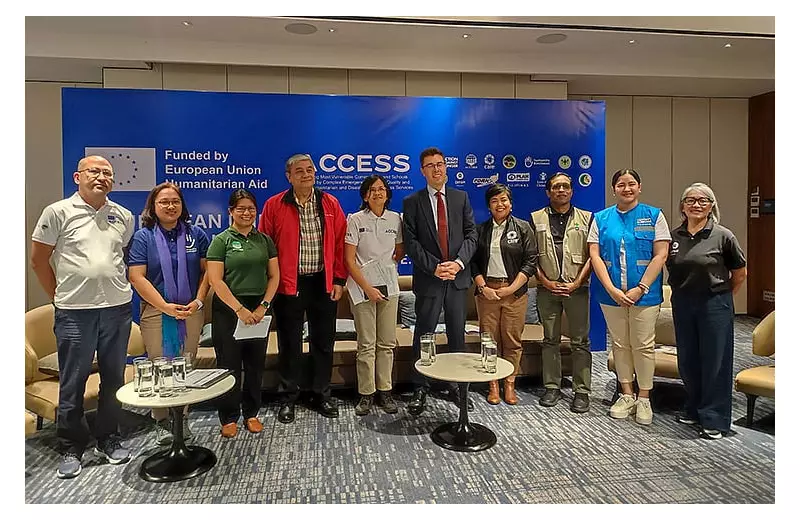
To implement these efforts on the ground, the EU is collaborating with the Access Consortium. This group comprises 14 international and local non-governmental organizations with expertise in disaster response. Santoro also noted that individual EU member states contribute further support through other global channels, including the Red Cross and Red Crescent movement and various United Nations agencies.
Firsthand Assessment in Hard-Hit Communities
Ambassador Santoro's announcement came during an intense, day-long field visit to Cebu on December 3, 2025. He traveled to the municipality of San Remigio early in the morning, visiting one of its most severely affected barangays. There, he engaged in heartfelt conversations with displaced families who shared their experiences of loss and the uncertainty surrounding their ability to rebuild their lives.
These dialogues gave the ambassador a clearer understanding of the daily hardships survivors face, especially during heavy rainfall when their makeshift shelters provide inadequate protection. The EU-funded response he observed includes setting up more durable temporary shelters, helping to restore power lines, ensuring access to potable water, and installing systems for proper water sanitation. These actions are being coordinated with the efforts of local and national government units.
During his visit, Santoro also held meetings with key local officials, including the Mayor of San Remigio, the Governor of Cebu, and the Mayor of Cebu City. Their discussions centered on the ongoing recovery operations and the most pressing needs of the affected populations.
A Testament to Resilience and Partnership
Reflecting on his visit, Santoro described it as profoundly meaningful. "I witnessed firsthand the resilience of Filipino families," he stated. He acknowledged the scale of the challenge, adding, "It is never enough, because the population is large and the needs are significant. But what we are doing together with our partners is real."
The ambassador affirmed his intention to continue conducting similar field visits. This hands-on approach is part of the EU's strategy to ensure its support remains directly responsive and effectively addresses the evolving needs of disaster-stricken communities across the Philippines.