10 Suspected Leptospirosis Cases Reported in Mandaue After Typhoon Tino
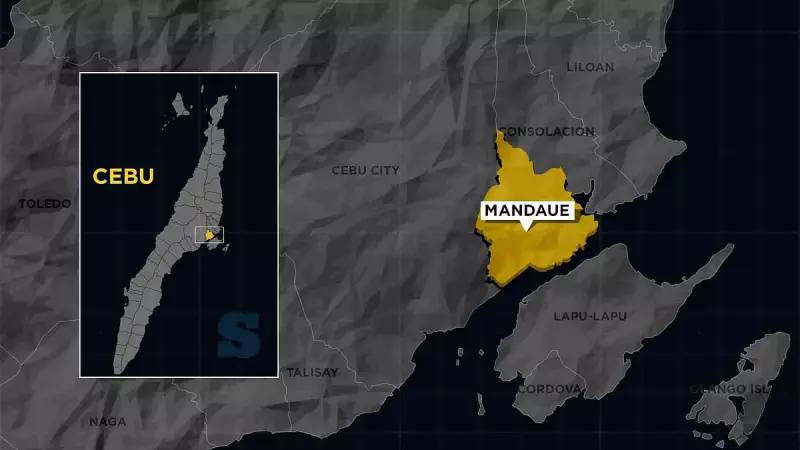
The Mandaue City Health Office (MCHO) has documented ten suspected cases of leptospirosis in the aftermath of Typhoon Tino, as of November 2025. However, none of these cases have been officially confirmed, pending validation from the Regional Office.
Cases Remain Unverified, Awaiting Official Confirmation
According to Dr. Debra Catulong, head of the MCHO, the ten individuals are classified as suspected patients because they exhibited symptoms consistent with leptospirosis. She emphasized that the city is still waiting for the official confirmation from the Regional Office, which holds the authority for such declarations.
"We cannot say that the leptospirosis cases are confirmed," stated Dr. Catulong. "As of November 2025, the data we gathered in Mandaue City still needs to be validated by the Regional Office."

She explained that the symptoms shown by the patients can be similar to other illnesses, making laboratory confirmation crucial. Most of these suspected patients are currently admitted to local hospitals for monitoring and care.
Public Health Advisory and Post-Disaster Response
Dr. Catulong issued a strong warning to the public to avoid contact with floodwaters, which are a known source of the bacteria that causes leptospirosis. She specifically reminded residents that infection can occur even without an open wound.
"Do not assume that just because you don't have a wound, you cannot get infected," she cautioned. "The bacteria can enter through the eyes, nose, and mouth because these are mucous membranes."
While the city has an adequate supply of doxycycline for prophylaxis, Dr. Catulong clarified that taking two capsules after potential exposure is not a substitute for seeking professional medical consultation.
As part of its post-disaster health response, the city is actively conducting public health consultations and WASH (Water, Sanitation, and Hygiene) assessments in evacuation centers to prevent further outbreaks.