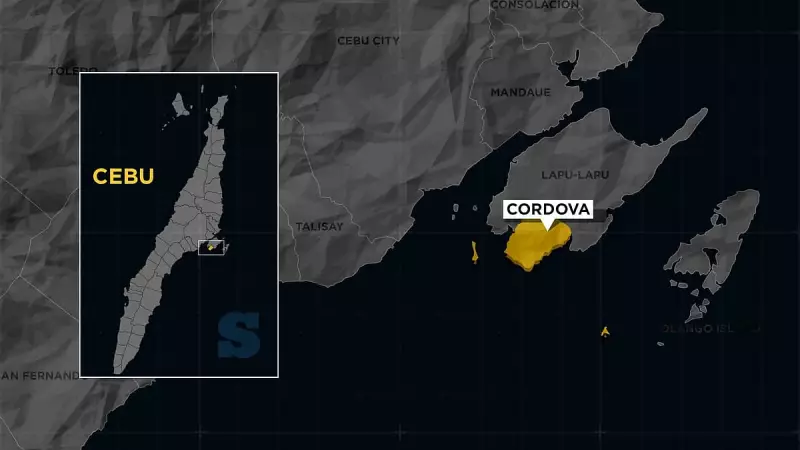
Cordova Mayor Cesar 'Didoy' Suan has issued an urgent health advisory following the municipality's first confirmed case of leptospirosis in the wake of typhoons Tino and Uwan.
Immediate Medical Consultation Urged
In a public statement released on Thursday, November 20, 2025, Mayor Suan strongly encouraged residents, particularly those who waded through floodwaters or are experiencing potential symptoms, to visit the Cordova Primary Health Care Facility without delay for proper assessment and treatment. He emphasized that early medical intervention is crucial for preventing the severe complications associated with this bacterial disease.
Patient in Critical Condition
The confirmed case involves 59-year-old e-trike driver Dominador Apa-ap, a resident of Sitio Poso, Barangay Poblacion. Apa-ap was admitted to the hospital on Wednesday, November 19, and is currently undergoing intensive treatment in the Intensive Care Unit of VisayasMed Hospital in Cebu City.

His son, John Martin Apa-ap, reported that his father's condition is serious, requiring immediate dialysis to support his kidney function. The family is seeking financial support and donations through channels registered under John Martin Apa-ap: PayMaya: 0961-485-0202 and China Bank: 106202018443.
Rising Cases Across Cebu Province
This incident in Cordova is part of a wider concerning trend across the province. Data from the Cebu Provincial Health Office reveals a significant jump in leptospirosis cases, with 23 confirmed infections recorded between November 1 and 14, 2025.
The case distribution shows Talisay City with the highest number at eight, followed by Consolacion with six cases. The towns of Asturias and Liloan each reported two cases, while single cases were confirmed in Argao, Balamban, Danao City, Medellin, and Sibonga.
Leptospirosis is caused by bacteria found in the urine of infected animals and can enter the human body through cuts in the skin or mucous membranes after contact with contaminated water or soil. Residents are reminded that vigilance and prompt medical action are the best defenses against this potentially fatal disease.