New Birthing Home in Davao City Brings Hope to Remote Indigenous Communities
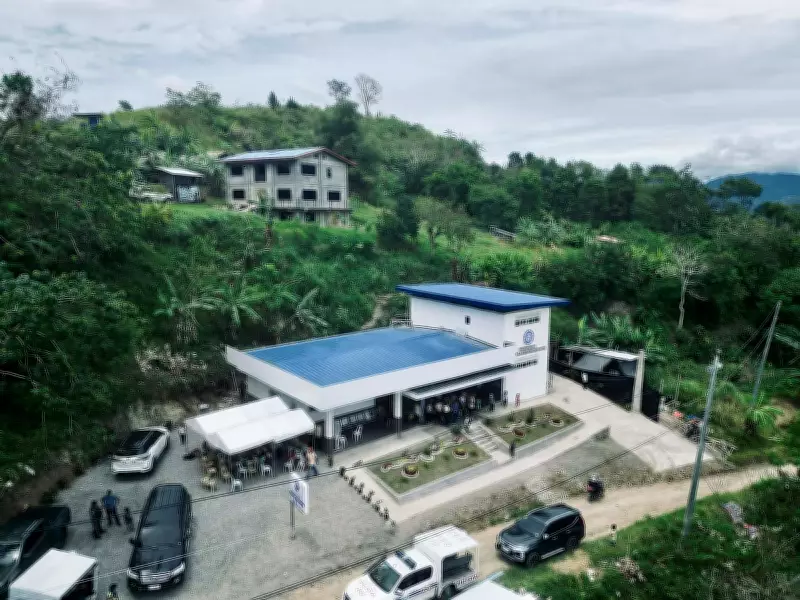
In the rugged, mountainous interior of Davao City, a transformative development in community health has emerged, offering a lifeline to indigenous families who have long struggled with limited access to medical care. The Malikongkong Maternal and Child Birthing Home in Barangay Marilog officially opened on March 10, 2026, marking a significant milestone for expectant mothers and children in remote areas.
A Critical Step Toward Safer Childbirth
For years, pregnant women and sick residents in Sitio Malikongkong and neighboring communities faced arduous journeys, trekking for hours over steep mountain paths to reach the nearest hospital. The inauguration of this birthing home promises to make these difficult travels a thing of the past, providing a safe and accessible space for childbirth and pediatric care.
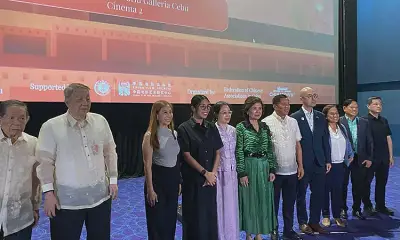
The ceremony drew key figures, including Consul General of Japan in Davao, Hirotaka Ono; representatives from the Davao City Local Government Unit and the Department of Health-Davao Region; community residents; and Barangay Malikongkong Tribal Leader Pastor Jaime Mande. Their presence underscored the collaborative effort behind this project.

Partnerships and Funding for Sustainable Health
The birthing home was developed through a partnership among the Davao Medical School Foundation, Inc. (DMSFI), ChildFund Japan, local government units, and community leaders, with funding from the Government of Japan. This initiative aims to tackle one of the most urgent challenges in remote indigenous communities: access to basic healthcare.
During the ceremony, DMSFI President Atty. Alberto Rafael L. Aportadera hailed the project as a milestone, emphasizing that maternal and child health form the foundation of a thriving society. By bringing essential medical services closer to these communities, the facility strengthens the well-being of mothers, newborns, and families across the area.
More Than Just Infrastructure
Seiko Toyama, project manager of ChildFund Japan Philippine Branch, highlighted the deeper significance of the facility. "This is more than just a health station," Toyama said. "This is a station of life." The center will be staffed by trained midwives from DMSFI and equipped with essential medical tools, including a patient vehicle for referrals to higher-level facilities.
Toyama also acknowledged the engineers, construction workers, health educators, and volunteers who overcame logistical challenges, such as transporting materials through difficult terrain, to complete the project.
Empowering Communities Through Education
As part of the project, health education programs were conducted within the community, covering topics like nutrition, sanitation, herbal medicine, and the prevention of sexual abuse and exploitation. These trainings aim to empower residents to promote health awareness in their villages, fostering proactive health practices.
Government health agencies are expected to support the facility through licensing and integration with the national health insurance system, ensuring services remain sustainable and accessible. The project directly serves 8,892 residents across eight sitios in Barangay Marilog and indirectly benefits over 16,000 residents in nearby barangays.
Strengthening Health Systems and International Bonds
Beyond immediate healthcare, the initiative strengthens the broader health system by improving referral networks, building trust between providers and communities, and encouraging preventive care. Consul General Hirotaka Ono expressed hope that the birthing home and training project would act as a bridge, deepening bonds between Japan and the Philippines.
For the people of Sitio Malikongkong, this new facility stands as a powerful reminder that quality healthcare should not depend on geography. In a community once defined by distance and isolation, a small health station now symbolizes hope, healing, and the promise that every mother and child deserves safe and accessible care.