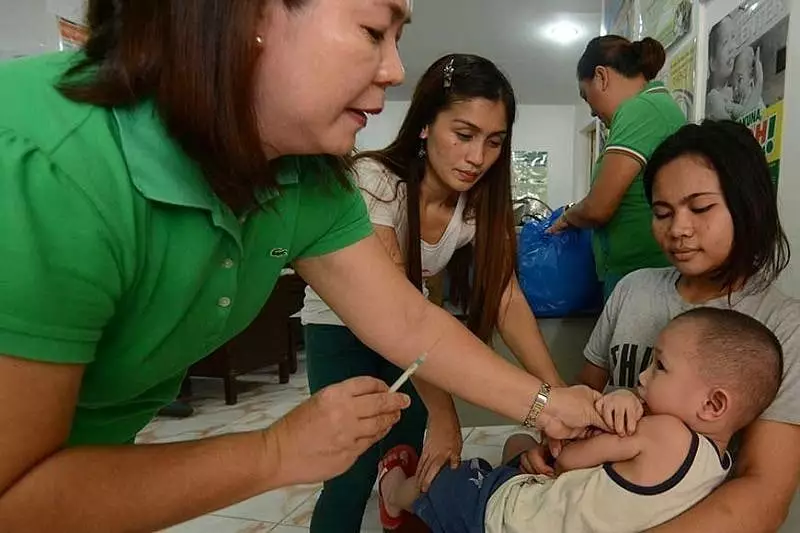
Davao City Councilor Trisha Ann J. Villafuerte has issued a strong appeal to parents and guardians across the city to ensure their children are vaccinated against measles and rubella. This call to action follows the Department of Health's announcement of a major regionwide immunization campaign set to begin later this month.
City Councilor's Urgent Appeal for Prevention
Villafuerte, who chairs the Committee on Health, delivered a privilege speech at the Sangguniang Panlungsod on Monday, January 12, 2025. She emphasized that measles and rubella are preventable diseases that still present severe health threats to children. The councilor stressed the proven safety and effectiveness of vaccines in combating these illnesses.
"I therefore call on our people, parents, guardians, and caregivers, to have their children immunized," Villafuerte stated. "Let us not wait for outbreaks before we act. Prevention is always better than cure."

To mobilize the community, Villafuerte urged barangay leaders to take charge of local immunization efforts. She revealed that on January 13, all 182 barangay captains in Davao City would participate in an orientation session with the Department of Health and the City Health Office. "This is a critical step to fully mobilize our barangays to ensure accurate information and reach every household," she explained.
The councilor also called on daycare centers, child development centers, and child-minding facilities to actively support the campaign. These institutions are seen as key partners in promoting early childhood health and encouraging parents to vaccinate children aged six and those who are under-immunized.
DOH-Davao's Regionwide Immunization Rollout
Simultaneously, the Department of Health–Davao Region has organized a regionwide Measles-Rubella Supplemental Immunization Activity. This campaign is scheduled to run from January 19 to February 13, 2026.
The program's goal is to offer free vaccinations to all children aged six to 59 months. This initiative is open to all children in this age group, regardless of their previous immunization history. It aims to close immunity gaps that have emerged due to missed routine vaccinations over recent years.
In response to a growing number of zero-dose and under-immunized children in Mindanao—a situation that heightens the risk of disease outbreaks—the DOH has dispatched approximately 3.3 million vaccine doses to the island.
Alarming National and Local Health Data
Recent statistics highlight the urgency of the vaccination drive. Nationally, the DOH recorded 4,718 measles-rubella cases from January to mid-November 2025. This figure represents a worrying 37-percent increase compared to the same period in 2024. Notably, about 73 percent of these cases involved unvaccinated children, with the majority being under five years old.
In Davao City, the local data presents a mixed picture. The City Health Office reported that measles cases among children decreased to one case in 2024, down from two cases in 2023.
However, a concerning trend has emerged in the city's overall immunization coverage. CHO data shows the immunization rate was 62.9 percent in 2022 and 65.4 percent in 2023, but it plummeted to just 28 percent as of September 2024. This sharp decline underscores the critical need for the current campaign to boost protection among the city's young population.
Understanding the Diseases: Measles and Rubella
According to the World Health Organization, measles is a highly contagious viral disease and remains a leading cause of death among young children globally, even though a safe and effective vaccine is available.
Rubella, commonly known as German measles, is another contagious viral infection that primarily affects children and young adults. Its most severe consequences occur when pregnant women contract the virus, as it can lead to fetal death or cause serious congenital defects known as congenital rubella syndrome.

Councilor Villafuerte concluded her appeal by emphasizing the need for a united front. She stated that the local government unit, barangays, and health workers must collaborate effectively to protect children and secure a healthier future for Davao City.