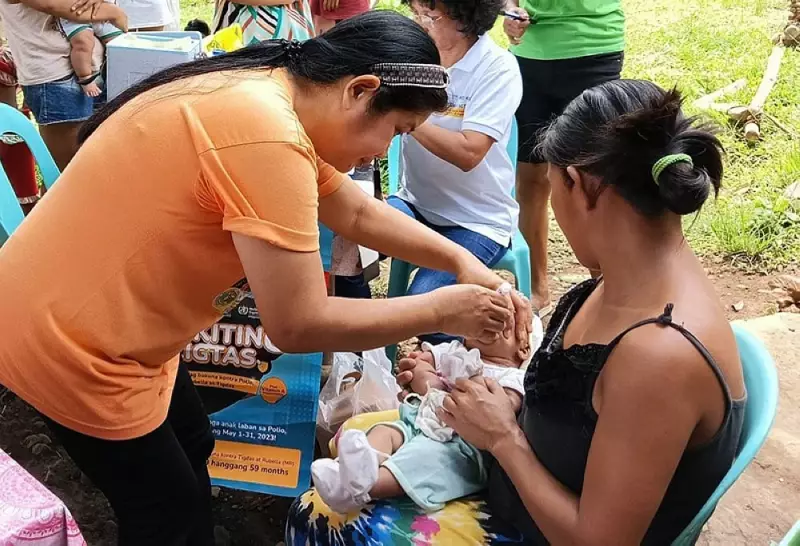
The Department of Health in the Davao Region (DOH-Davao) has officially launched a major, region-wide immunization campaign to shield young children from the threats of measles and rubella. Branded as "Chikiting Ligtas," this free vaccination drive represents a critical public health effort to boost community protection against these highly contagious diseases.
Campaign Details and Urgent Timeline
The Measles-Rubella Supplemental Immunization Activity (MR-SIA) is scheduled to run from January 19 to February 13, 2026. Health authorities will establish both fixed and temporary vaccination posts in easily accessible locations, including barangay halls, public health centers, schools, and various community sites throughout the region.
This initiative is specifically designed for all children aged six to 59 months. Officials are strongly urging parents and guardians to have their children vaccinated, even if the child has received some vaccines before. This approach is vital for closing immunity gaps and ensuring broader population-level protection.

Addressing a Growing Health Concern
The campaign's launch follows growing alarms from health authorities over an increasing number of children in Mindanao who have missed their routine vaccinations. These "zero-dose" or under-immunized children significantly raise the risk of dangerous disease outbreaks.
Typically conducted every five years, this supplemental activity is being implemented ahead of schedule to address this urgent issue. To support the rollout, the DOH is deploying a total of 3.3 million doses of measles-rubella vaccine to the region. Health Secretary Ted Herbosa recently inspected an additional 1.3 million doses at a DOH warehouse in Caloocan, noting that 2 million doses had already been forwarded to Mindanao in preparation.
Mobilizing Communities for Protection
Local government units, barangay health workers, and volunteers are now mobilized to support "Chikiting Ligtas." Their roles include conducting information drives and ensuring community coordination, with special focus on reaching geographically isolated and disadvantaged areas (GIDAs).
Parents are advised to coordinate with their nearest health center for specific schedules and vaccination site locations. The vaccine being used is WHO-approved, safe, and effective, with potential side effects typically limited to mild, temporary reactions like a low-grade fever or soreness at the injection site.
Why This Vaccination Drive Matters
Measles is one of the world's most contagious viral infections. It can lead to severe complications such as pneumonia, encephalitis (brain inflammation), and even death, particularly in young or malnourished children. While rubella is often mild in childhood, infection during pregnancy can cause devastating birth defects, including congenital heart disease, deafness, and developmental delays in newborns.
The DOH emphasizes that immunization is both a personal and collective responsibility. High vaccination coverage creates a "herd immunity" that protects not only vaccinated individuals but also those who are most vulnerable, including infants too young for vaccines, pregnant women, and people with compromised immune systems.
Through this large-scale MR-SIA, health authorities aim to reverse the trend of declining immunization coverage, prevent deadly outbreaks, and advance progress toward national and global targets for eliminating these preventable diseases. The core message remains clear: every child deserves the protection of vaccination.