In a significant policy clarification, the Department of Health (DOH) has announced it will not seek penalties for parents who refuse or fail to have their children vaccinated against vaccine-preventable diseases. Secretary Teodoro Herbosa made this statement on Friday, February 27, 2026, directly contradicting earlier suggestions from within the department.
Official Stance Against Penalties
Secretary Herbosa emphasized in a video message that imposing penalties on parents is not and will not be DOH policy. "We will not impose any penalty. This is not DOH policy," Herbosa stated clearly, addressing confusion that arose from previous discussions.
This clarification comes after Undersecretary Emmie Liza Chiong had asked the House Committee on Health to consider minor penalties for parents who "consciously neglect to give children protection from vaccine-preventable diseases" during a hearing last Wednesday.

Understanding Parental Choices and Medical Realities
Herbosa explained that the DOH recognizes valid reasons why vaccination might not be possible for some children. "As a doctor, we know that there are children who have contraindications to vaccination. In some cases, vaccination is absolutely not possible," he noted, highlighting medical exceptions that must be respected.
The health chief further emphasized the department's commitment to human rights and parental autonomy. "We believe in human rights and the beliefs of our parents on whether they want to have their kids vaccinated or not," Herbosa affirmed, acknowledging the complex personal and medical decisions families face.
Focus on Education Over Enforcement
Instead of punitive measures, the DOH will concentrate its efforts on comprehensive information and education campaigns. "It is our job at the DOH to convince all parents to vaccinate their children so they will be safe from vaccine-preventable diseases," Herbosa explained, outlining the department's proactive approach to public health.
This educational strategy aims to address vaccine hesitancy through dialogue and evidence-based information rather than coercion, recognizing that sustainable public health outcomes require community trust and cooperation.
Broader Context of Vaccination Efforts
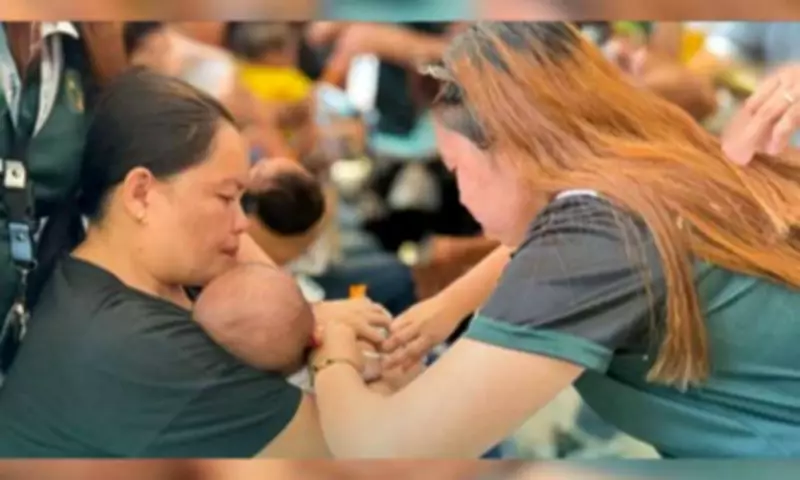
The policy clarification occurs amidst ongoing vaccination drives across the country. Recently, health workers have been actively inoculating infants with measles-rubella vaccine during immunization campaigns, such as one conducted in Ipil, Zamboanga Sibugay on January 19, 2026.
Meanwhile, the Department of Labor and Employment (DOLE) has urged companies to allow employees with children under five years old to be excused from work to accompany their kids to vaccination appointments, demonstrating inter-agency cooperation to support childhood immunization.
The DOH's position reflects a balanced approach that respects individual rights while maintaining strong advocacy for vaccination as a crucial public health measure. By prioritizing education and accessibility over penalties, the department seeks to build broader acceptance of immunization programs that protect children from preventable diseases.