The Department of Health (DOH) has issued a stark warning to the public, stating that a significant increase in dengue cases is highly likely in the aftermath of the recent typhoons that battered the nation.
Post-Typhoon Dengue Threat
In a social media announcement made on Saturday, November 22, 2025, the health agency said it would not be surprising to see a rise in dengue infections in the coming weeks. This alert follows the onslaught of Typhoons Tino and Uwan, which caused widespread flooding across various regions of the Philippines.
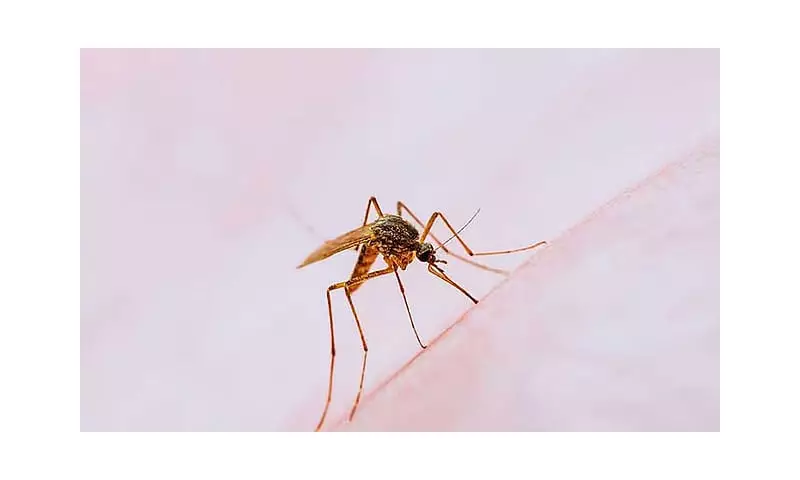
The DOH explained that the primary concern is the containers and debris left behind by the storms. Stagnant water collected in these items serves as perfect breeding grounds for the Aedes aegypti mosquito, the insect responsible for spreading the dengue virus.

Recent Data and the Impending Spike
Interestingly, the department's latest data showed a recent decline in infections. Cases had fallen by 8 percent, from 15,182 cases recorded between September 28 and October 11 to 14,038 cases from October 12 to October 25.
However, the DOH was quick to contextualize this positive trend. They emphasized that this data covered the period immediately before Typhoons Tino and Uwan made landfall, suggesting the situation is about to change drastically.
Public Reminder and Call to Action
To combat the looming health threat, the DOH is strongly reminding everyone to consistently practice the "4S" strategy: Search and destroy, Self-protection, Seek early consultation, and Say yes to fogging.
This involves:
- Cleaning, draining, and drying all potential water containers.
- Covering water storage vessels to prevent mosquitoes from laying eggs.
- Inspecting and eliminating stagnant water in common items like broken tires, pots, and trash cans.
The agency also urged vigilance regarding symptoms. Anyone experiencing fever, rash, body pain, muscle aches, eye pain, dizziness, or vomiting should seek immediate medical attention. Early detection and treatment are crucial in managing dengue, a viral infection transmitted to people through mosquito bites.