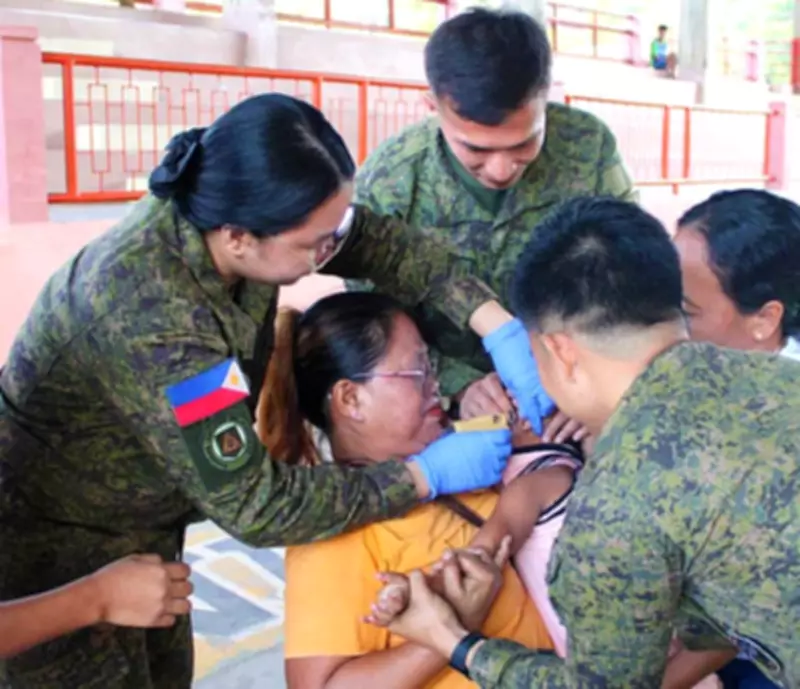
In a significant humanitarian effort, residents from two geographically isolated communities in Zamboanga Sibugay have received a wide array of free healthcare services during a two-day medical mission held from March 13 to 14, 2026. The initiative, announced by the military on March 16, 2026, aimed to address health needs in remote areas with limited access to medical facilities.
Comprehensive Healthcare Services Provided
The medical mission was conducted in Dawa-Dawa village, located in Alicia town, and in Looc Labuan within the Tungawan municipality. The services offered were extensive and designed to cater to various health concerns of the local population. These included general medical consultations, dermatology services, physical therapy, circumcision procedures, dental care, minor surgical operations, and ophthalmology consultations. Additionally, free medicines were distributed to ensure ongoing treatment and relief.
Additional Community Support Activities
Beyond medical care, the outreach effort also featured free haircut services and ear piercing, highlighting a holistic approach to community well-being. These supplementary activities were intended to foster a sense of care and support, enhancing the overall impact of the mission on the residents' daily lives.

Collaborative Efforts and Partnerships
The 106th Infantry Battalion (106IB) spearheaded the activity in collaboration with several key organizations. Partners included Remote Area Medical (Ram) Philippines, the 1st Infantry Division Medical Team, Alpha Company of the 1st Civil-Military Operations Battalion, the Zamboanga Sibugay Provincial Health Office, the Municipal Health Offices of Alicia and Tungawan, and Barangay Health Workers. This multi-agency cooperation ensured a well-coordinated and effective delivery of services.
Army's Role in Community Development
The 106IB emphasized that this humanitarian activity underscores the Army's commitment to supporting government health initiatives while strengthening partnerships with local government units, health organizations, and communities. It highlights the Army's evolving role beyond security, focusing on promoting the well-being and development of the communities it serves. This mission reflects a broader strategy to integrate military efforts with social and health programs, fostering trust and collaboration in remote regions.
The successful execution of this medical mission demonstrates the importance of targeted outreach in geographically isolated areas, providing essential healthcare to those in need and reinforcing the value of community-centered initiatives in national development.