Leptospirosis Cases Surge 225% in Bacolod City, Prompting Health Warnings
Health officials in Bacolod City are sounding the alarm as leptospirosis cases have skyrocketed by 225 percent from January to April 11, 2026, compared to the same period last year. According to records from the City Health Office (CHO), the city has recorded 13 cases of the bacterial infection, resulting in three fatalities this year. In contrast, during the same timeframe in 2025, there were only four cases and one death, highlighting a dramatic and concerning rise.
Barangay-Specific Data and Risk Factors
Dr. Grace Tan, head of the CHO’s Environment Sanitation Division, provided a breakdown of the affected areas. Of the city's 61 barangays, Barangay Estefania leads with two cases, followed by 11 barangays reporting one case each. These include Barangays 10, 16, 33, 39, Banago, Mandalagan, Sum-ag, Taculing, Singcang-Airport, Felisa, and Vista Alegre. Dr. Tan emphasized that the most common reasons for severe complications and fatalities are delayed health-seeking behavior and denial of exposure to leptospirosis, often linked to contaminated environments.
Health Advisory and Preventive Measures
In response to the surge, Dr. Tan issued a urgent advisory to Bacolodnons. She urged individuals with a history of wading or contact with water or ground potentially contaminated by leptospira bacteria from rat or animal urine to seek immediate prophylaxis at their nearest health center or private doctor. Key recommendations include:

- Properly segregate and manage garbage to reduce rat habitats.
- Avoid wading or contact with floodwater (tubig baha) or any damp, dirty ground that may harbor leptospira organisms.
- Engage in community efforts to control the rat population and report uncovered manholes, ditches, open canals, or septic vaults to barangay officials for management.
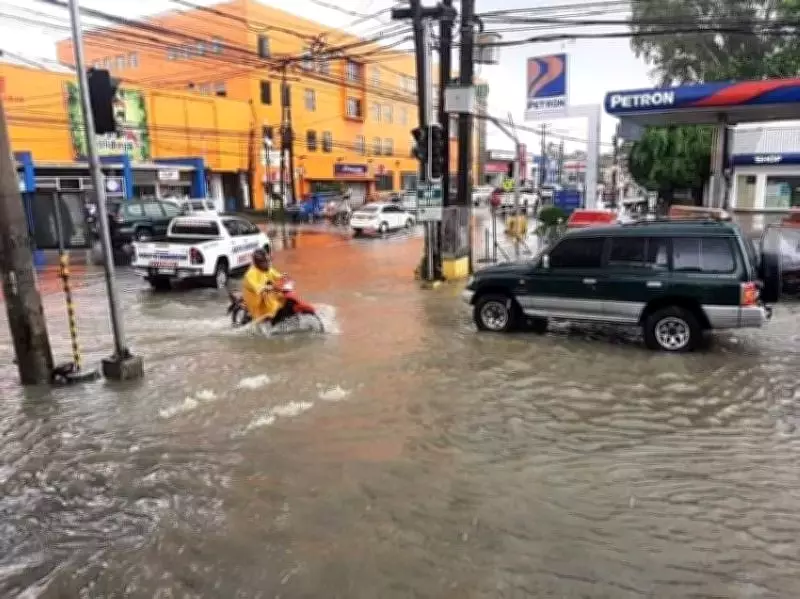
The CHO is actively encouraging public involvement in prevention, stressing that these measures are critical to curbing the spread of the disease, especially given past incidents like heavy rains causing floods in areas such as Lacson-Mandalagan Streets, which can exacerbate contamination risks.