Cebu Grapples with Post-Flood Disease Outbreak
A sharp increase in leptospirosis cases has hit Cebu Province, turning recent floodwaters into a conduit for a serious public health crisis. Health authorities confirmed that the bacterial infection has seen a dangerous spike in the first two weeks of November 2025, highlighting a critical secondary threat that emerges after natural disasters.
Case Numbers and Affected Areas
The Cebu Provincial Health Office (CPHO) announced on Monday, November 17, that 23 confirmed leptospirosis cases were recorded from November 1 to 14. This data, validated by the Department of Health (DOH) 7, marks a significant jump compared to the preceding months.
The cases are concentrated in several local government units:

- Talisay City: 8 cases (the highest number)
- Consolacion: 6 cases
- Asturias & Liloan: 2 cases each
- Argao, Balamban, Danao City, Medellin, and Sibonga: 1 case each
Health officials are also investigating a number of suspected cases and one suspected fatality, with particular attention on Balamban and Bogo City.
Why the Surge is a Major Concern
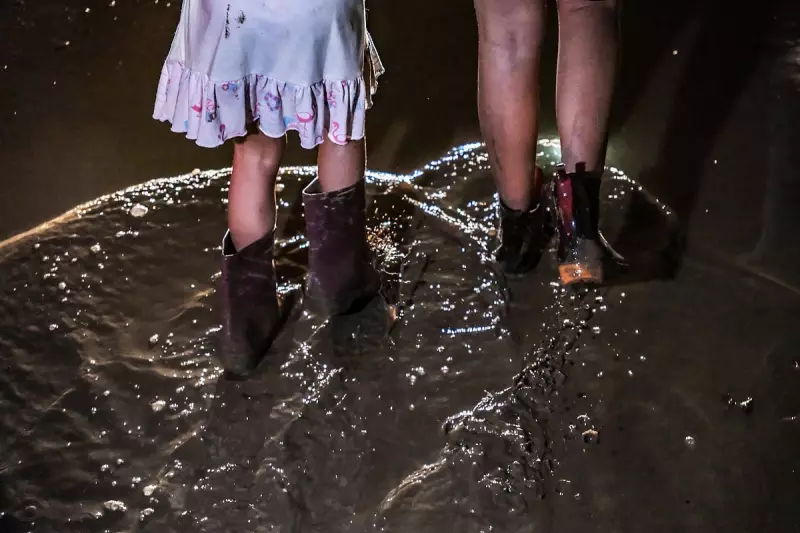
This outbreak is a direct consequence of the widespread flooding recently experienced in Cebu. Leptospirosis bacteria, shed in the urine of infected animals like rats, are spread through contact with contaminated water or soil. Floodwaters act as a perfect delivery system for this disease.
Dr. Josephine Arsenal, head of the CPHO, provided alarming context. The 23 cases from early November alone constitute nearly a quarter of the 90 total cases confirmed from January 1 to October 31. Of those 90 cases, 11 were fatal, underscoring the disease's severity.
The surge matters for two critical reasons:
1. Elevated Public Risk: Residents cleaning up after floods are exposed to contaminated water. Dr. Arsenal stressed that a visible cut is not necessary for infection; mere contact with floodwater poses a risk.
2. Healthcare System Strain: Provincial Health Consultant Nicole Catalan described the situation as "another disaster." Severe leptospirosis often requires dialysis, and there is concern that the province's hemodialysis capacity could be overwhelmed by multiple severe cases.
Public Health Response and Prevention
The provincial government has launched a proactive response, focusing on the distribution of the preventative antibiotic, doxycycline. Since November 4, approximately 10,000 doxycycline tablets have been distributed to LGUs, rural health units, and hospitals in high-incidence areas like Talisay City, Consolacion, and Liloan.
Dr. Arsenal issued a stern warning, referencing the suspected fatality in Balamban who did not take the provided prophylaxis. "We should not wait," she urged. "Please take the medication; don't ignore it."
Infectious disease specialist Dr. Christina Tan Bonghanoy emphasized that for doxycycline to be effective as a preventive measure, it must be taken within 24 to 72 hours after exposure to contaminated water.
The province is expecting an additional 40,000 doxycycline tablets for wider distribution. Officials warn that case numbers may continue to rise as cleanup operations persist, making public adherence to health advisories more crucial than ever.