The floodwaters from Typhoon Tino have receded, but a new, invisible threat has emerged in Cebu, claiming lives and overwhelming hospitals. What began as a natural disaster has escalated into a public health emergency, with leptospirosis infections rising rapidly among residents exposed to contaminated water.
From Floodwaters to Hospital ICU
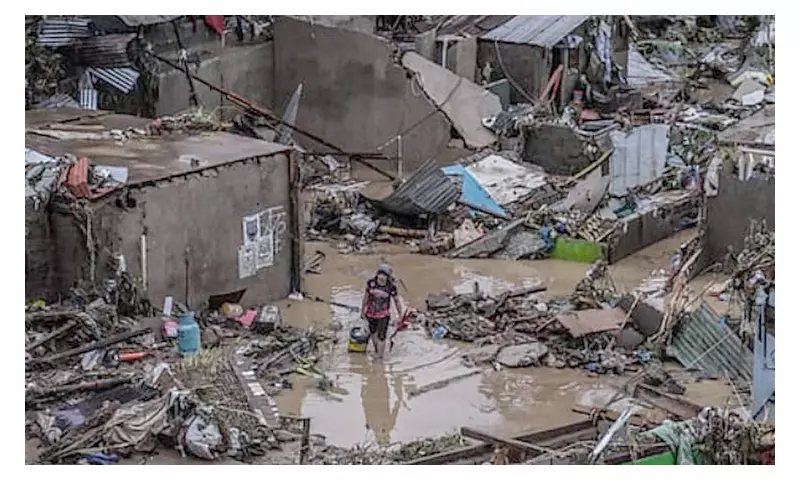
When Typhoon Tino struck on November 4, 2025, it unleashed torrential rains that caused the Mananga River to overflow. The resulting flash floods submerged hundreds of homes across Cebu, Talisay, Mandaue, and surrounding towns. For Verna Sangilan and her partner, Jerwen Karl Abellana, 27, surviving the initial deluge was only the beginning of their ordeal.
Although they made it through the storm, Abellana developed a fever on November 12. His condition deteriorated rapidly. Just three days later, on November 15, Sangilan held his hand in the Intensive Care Unit of a Cebu City hospital as leptospirosis began to shut down his kidneys, lungs, and heart. Despite having no visible wounds, four days spent in contaminated floodwater had allowed the lethal bacteria to enter his body. Jerwen Karl Abellana passed away on November 16.

He is not an isolated case. As of the third week of November, provincial and private hospitals have recorded at least 50 confirmed leptospirosis cases.
The Unseen Enemy in the Mud
According to the World Health Organization, leptospirosis is a zoonotic disease caused by Leptospira bacteria, often transmitted through water contaminated by animal urine. The scale of the flooding made vast numbers of people vulnerable.
Data from the Provincial Government reveals that 46,983 individuals were housed in evacuation centers, with a high likelihood of exposure. Infectious disease specialist Dr. Christina Tan-Bonghanoy emphasized that anyone exposed to floodwaters is at risk. "Anybody can be infected with leptospirosis, with or without a wound," she stated. "The risk is greater when a wound exists. Skin is an important barrier; even a small cut allows organisms to enter and cause infection."
Dr. Albert Bryan Lim further explained that bacteria can enter through microscopic cuts, the eyes, or the mouth, and even the simple act of cleaning mud from homes can lead to infection. The source of contamination is not limited to rats; water tainted by pigs, dogs, or sheep can also transmit the disease.
Cebu's Race Against Time
Learning from the tragic lessons of Typhoon Ondoy in 2009, the Cebu Provincial Health Office (PHO) activated a One Health framework immediately after Tino. Their strategy is built on four pillars: communication, coordination, collaboration, and capacity building.
The province has been aggressive in its response:
- Distribution of doxycycline prophylaxis to responders and exposed residents within 24-72 hours of exposure.
- Creation of a dedicated Leptospirosis Task Force involving hospitals and specialists.
- The Department of Health (DOH 7) has distributed 10,000 doxycycline tablets, with 40,000 more en route.
- Establishment of a hotline and refresher webinars for doctors.
- Emergency purchase of intravenous medications in preparation for a potential surge in severe cases.
Provincial consultant Dr. Nikki Catalan highlighted the urgency, pointing to the limited capacity for dialysis, which is often required for severe leptospirosis. "We already don't have enough hemodialysis facilities for our renal patients — how much more if leptospirosis cases increase?" she stressed. This critical shortage is why the province is racing to contain the outbreak through prevention.
The death of Jerwen Karl Abellana is a stark reminder that the danger of a typhoon does not end when the rain stops. As Cebu rebuilds, health officials urge extreme vigilance, warning that every fever or exposure to flood residue could mean the difference between recovery and tragedy.