The Cebu Province is confronting a severe public health emergency as leptospirosis cases have exploded in November 2025, recording 106 suspected cases and seven fatalities within just the first 20 days of the month.
According to the Cebu Provincial Health Office (PHO), this dramatic surge has prompted urgent health warnings about the dangers of floodwater exposure and the critical need for immediate medical treatment. All reported cases are currently undergoing confirmatory testing to verify the infections.
Alarming Spike Compared to Previous Periods
The current outbreak represents a staggering increase compared to historical data. Josephine Arsenal, PHO officer-in-charge, revealed that throughout the entire year of 2024, the province recorded fewer than 50 leptospirosis cases total.

Even more telling is the comparison with the preceding ten months of 2025. From January 1 to October 31, 2025, Cebu Province documented 90 cases and 11 deaths from leptospirosis. The recent 20-day period alone has surpassed that entire ten-month case count.
Geographical Spread and Fatalities
The outbreak has affected specific areas of Cebu Province with particular intensity. Danao City currently leads with 34 infections, followed by Balamban with 28 cases and Asturias with nine cases.
The distribution of fatalities shows a different pattern. Balamban has recorded four leptospirosis deaths, Danao City has reported two fatalities, and Tuburan has documented one death.
Health authorities note the infection zone is expanding, with isolated cases identified in multiple locations including Talisay City, Consolacion, Liloan, Compostela, Pinamungajan, Toledo City, Argao, Medellin, Sibonga, and San Francisco. A separate case was also reported in Cordova town.
Typhoon Tino Identified as Primary Cause
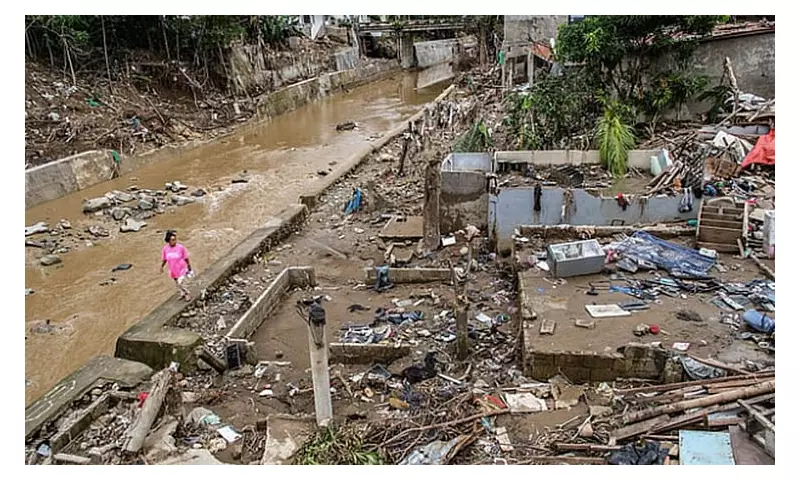
Health officials directly attribute the leptospirosis surge to the widespread flooding caused by Typhoon Tino (Kalmaegi) that struck on November 4. The PHO had anticipated a rise in waterborne diseases following the heavy rains and subsequent flooding.
Arsenal explained the connection, stating in Cebuano: "Expected na siya kay gilonopan man gud ang Cebu Province... daghan gyud ang population nga naigo aning baha" (This was expected because Cebu Province experienced flooding... a large portion of the population was affected).
Emergency Response and Medical Warnings
The Provincial Government has launched an emergency response, distributing doxycycline prophylaxis and tetanus toxoid to affected communities. This government effort has been strengthened by support from private organizations, NGOs, and local government units.
Arsenal expressed gratitude for the collaborative assistance, noting that despite limited stocks, the support has been crucial in addressing the crisis.
Health officials are emphasizing the serious medical consequences of untreated leptospirosis, which can include kidney damage, renal failure, and lung complications. They are urging residents who have been exposed to floodwaters to seek prophylaxis immediately, even if they are not yet showing symptoms.
The public is advised to seek medical attention promptly for any concerning symptoms. Arsenal emphasized: "Bisan hilanat lang gamay, adtu lang sa inyong duol nga health facility" (Even with just a slight fever, go to the nearest health facility).
Outbreak Declaration Considerations
As private hospitals continue coordinating with provincial health authorities, the possibility of formally declaring a leptospirosis outbreak remains under consideration. While local government units have the authority to make such declarations, officials note that coordination with the Department of Health would be ideal.
Health surveillance continues throughout Cebu Province as authorities monitor whether the distribution of preventive medications can control the escalating health crisis.