The Mandaue City Health Office has reported a low number of confirmed leptospirosis infections for the year 2025, despite a higher tally of suspected cases. Health officials emphasize that the current risk of transmission remains relatively low, primarily due to the absence of widespread flooding in the city.
Confirmed Cases Versus Suspected Reports
According to data consolidated by the Department of Health (DOH) Regional Epidemiology Unit, only one leptospirosis case has been laboratory-confirmed in Mandaue City as of December 8, 2025. This single confirmed instance stands against a backdrop of 62 suspected cases reported during the same period.
Debra Catulong, head of the Mandaue City Health Office, clarified that the significant number of suspected infections does not automatically signal an outbreak. She explained that many patients are still awaiting results from confirmatory laboratory tests, a process that can naturally take time. "This data covers the entire year as of December," Catulong stated, urging the public not to interpret the processing delays as a failure in disease monitoring or response.

Flooding: The Key Risk Factor
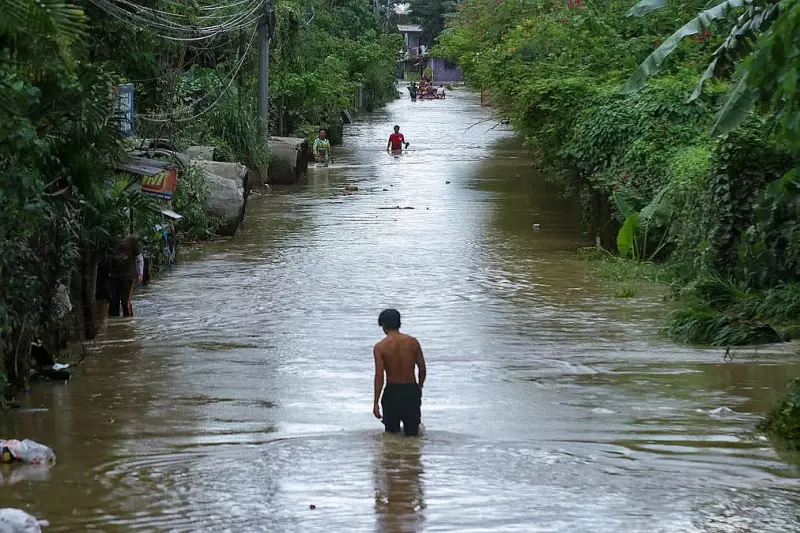
The health office attributes the currently low risk of leptospirosis transmission to one major environmental factor: the absence of widespread flooding. Leptospirosis is a bacterial disease commonly spread through contact with water or soil contaminated by the urine of infected animals, such as rats. People often contract it by wading through contaminated floodwaters.
"So far, the risk is not that high because there has been no flooding," Catulong said. However, she issued a clear warning about the potential for the situation to change rapidly. "But if the rains come back, flooding happens again, and people are exposed to floodwaters, the number of cases could increase."
Ongoing Vigilance and Public Advisory
The City Health Office continues to closely monitor all suspected cases and maintains coordination with the DOH for laboratory confirmations and surveillance updates. Authorities are calling for continued public vigilance, especially with the possibility of heavy rains.
Health officials strongly advise residents to practice preventive measures, which include:
- Avoiding wading in floodwaters whenever possible.
- Practicing proper hygiene.
- Seeking immediate medical attention if symptoms appear.
Early detection and treatment are crucial, as leptospirosis can lead to severe complications. The public should watch for symptoms such as:
- High fever
- Severe muscle pain and headache
- Jaundice (yellowing of the skin and eyes)
Catulong reiterated that prevention remains the most effective defense against this waterborne disease, urging the community to stay informed and cautious.