In a proactive move to safeguard public health, President Ferdinand "Bongbong" Marcos Jr. has issued a directive to the Department of Health (DOH) to strengthen its monitoring and surveillance efforts against the Nipah virus and other infectious diseases. This announcement was made during a press conference on Thursday, January 29, 2026, highlighting the government's commitment to preventing potential outbreaks.
Enhanced Health Protocols and WHO Alignment
According to Presidential Communications Office (PCO) Undersecretary and Palace Press Officer Claire Castro, the DOH has already updated its health protocols in accordance with the latest guidelines from the World Health Organization (WHO). This ensures that the Philippines remains aligned with global standards in disease prevention and control.
"Patuloy na nakatutok at nagbabantay ang Bureau of Quarantine ng DOH sa Nipah virus na napabalitang na-detect muli sa ibang bansa," stated Castro, emphasizing the ongoing vigilance of health authorities. She added that this initiative follows President Marcos's directive to keep Filipinos safe from infectious threats, underscoring a top-down approach to public health security.

Information Campaign and Virus Characteristics
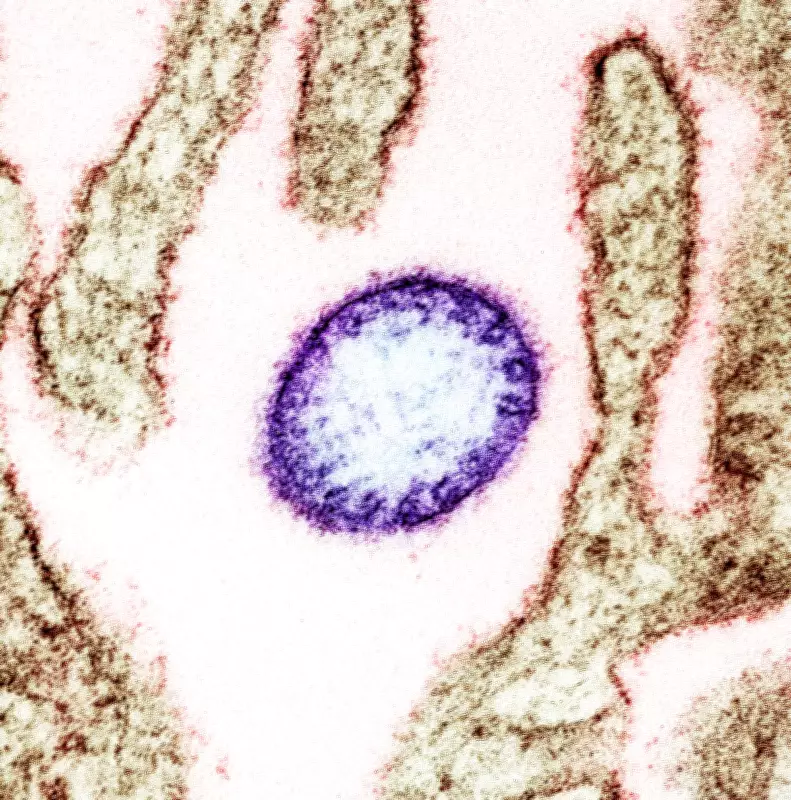
The DOH is intensifying its information campaign about the Nipah virus, which, as per WHO, is a zoonotic virus capable of spreading from animals to humans and between people. Key points from this campaign include:
- The primary natural hosts of the virus are bats, making wildlife monitoring crucial.
- Symptoms can range from mild or asymptomatic cases to severe respiratory illness and fatal brain swelling.
- Common symptoms include fever, headaches, and muscle pain.
This virus has been responsible for several outbreaks in Asia and can also cause severe illness in animals such as pigs, posing additional risks to agriculture and food safety.
Global Context and Preventive Measures
With the Nipah virus re-emerging in other countries, the Philippine government's response aims to preempt any potential spread. The DOH's efforts focus on:
- Strengthening quarantine and border controls to detect and isolate cases early.
- Educating the public on preventive measures, such as avoiding contact with infected animals and practicing good hygiene.
- Collaborating with international health bodies like WHO to stay informed on global trends and best practices.
This comprehensive strategy reflects a broader commitment to health resilience, ensuring that the nation is prepared to handle infectious disease threats effectively.