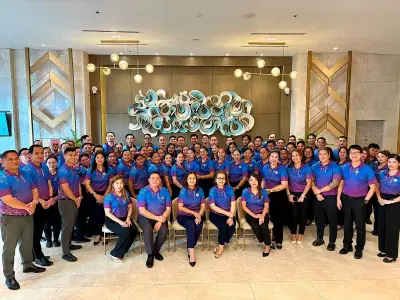
Officials from the Philippine Health Insurance Corporation (PhilHealth) in Central Visayas have issued a strong appeal to members, senior citizens, and indigent residents, urging them to complete registration to fully access benefits provided under the Universal Health Care Act. This call to action aims to ensure that vulnerable populations can utilize critical healthcare services without delay.
Registration Requirements for Senior Citizens
Jenet Ann A. Advincula, chief of the Field Operations Division at PhilHealth, clarified that while senior citizens are automatically covered by law, they must still visit a PhilHealth office to obtain an identification number. "What 'automatic' means is that they still need to go to the PhilHealth office so they can be issued a PhilHealth number," Advincula explained. She noted that the agency lacks complete personal data, such as addresses and birth dates, for all seniors, making in-person registration essential.
The registration process requires a valid government-issued ID and completion of a form. Once registered, members may choose from 274 accredited Yakap clinics across Central Visayas, which include provinces like Cebu, Bohol, Negros, and Siquijor.

Yakap and Gamot Programs Explained
Yakap is PhilHealth's primary care package that provides comprehensive outpatient services, including:
- Medical consultations and health risk assessments
- Selected laboratory and diagnostic tests
- Preventive and cancer screening services, such as mammography and colonoscopy
- Health education and counseling
- Prescribed essential outpatient medicines through the Gamot benefit
Under the Gamot program, patients can access 21 essential medicines at Yakap clinics for common conditions like hypertension, diabetes, and asthma. Additionally, PhilHealth has launched the Guaranteed and Accessible Medications for Outpatient Treatment (Gamot) program in the region to enhance medication availability.
Premium Exemptions and Financial Protections
According to the Expanded Senior Citizens Act, senior citizens are exempt from paying premiums. However, income earners must contribute a premium equivalent to 5% of their declared income. "If they have the capacity to pay, there is a premium to be paid... five percent of their declared income," Advincula stated.
Indigent members may also be exempted upon presenting a certification of financial incapacity from the Department of Social Welfare and Development, ensuring that financial barriers do not prevent access to healthcare.
Regional Implementation and Challenges
Dr. Maria Eliza A. Batucan, chief of the Health Care Delivery Management Division, emphasized that registration is required to activate services. "Once a member is registered, their first patient encounter is recorded," Batucan said. During initial visits, physicians assess medical histories and screen for chronic conditions to provide tailored care.
Region 7 boasts 274 Yakap providers across its provinces. For medicines unavailable at clinics, members may use one of 64 accredited Gamot pharmacies, most located in Cebu, with expansion plans underway in Siquijor and nearby provinces.
Addressing Medication Access Issues
In Advisory No. 2026-0018, PhilHealth acknowledged reports of limited access to medicines in some Yakap clinics and is reviewing measures to address these challenges. "We're committed to making sure that every YAKAP Clinic is fully equipped to provide you with the seamless service you deserve because your access to medications should never be a worry," PhilHealth stated in an official release.
The state-run insurer explained that delays often stem from administrative and readiness requirements that providers must complete before dispensing prescriptions. "While many of our YAKAP Clinics are fully prepared, some still need time to finalize these processes," the advisory added. PhilHealth is actively working with clinics to resolve these issues and ensure consistent service delivery.

Health officials stress that registration not only ensures access to financial protection but also enables preventive health screenings, which are crucial for early detection and management of health conditions. This proactive approach aligns with the goals of the Universal Health Care Act to provide equitable and comprehensive healthcare for all Filipinos.