Filipino consumer advocates and agricultural groups are mounting a strong challenge against proposed tobacco restrictions, calling on the World Health Organization to embrace harm reduction strategies that could save millions of lives while protecting livelihoods.
Global Summit Sparks Local Concerns
The growing movement emerges just days before the eleventh biennial session of the WHO Framework Convention on Tobacco Control (FCTC) convenes in Geneva, Switzerland from November 17-22, 2025. Multiple Philippine-based organizations have united behind a science-driven approach to tobacco regulation that acknowledges the role of non-combustible alternatives.
Major groups endorsing this position include the Philippine E-Cigarette Industry Association (PECIA), Vaper AKO, Consumer Choice Philippines, the Nicotine Consumers Union of the Philippines (NCUP), Quit for Good, and the Federation of Free Farmers (FFF). Together, they advocate for recognizing products like e-cigarettes, nicotine pouches, and heated tobacco as part of a comprehensive harm reduction strategy.

The Science Behind Harm Reduction
Dr. Lorenzo Mata, president of consumer advocacy group Quit for Good, presented compelling scientific evidence during the Harm Reduction and Nicotine Summit on October 15, 2025. He emphasized that smoke, not nicotine, serves as the primary factor in tobacco-related cardiovascular and respiratory diseases.
"The WHO's current approach to nicotine may unintentionally endanger millions of Filipinos who rely on nicotine," Mata cautioned. He pointed to alarming statistics showing adult smoking rates increased from 18.5% in 2021 to 23.2% in 2023 as evidence of current policies' unintended consequences.
Mata stressed that while complete cessation remains ideal, science-backed options like e-cigarettes and heated tobacco offer a realistic pathway to better health for the 1.3 billion smokers worldwide who struggle to quit entirely.
Economic and Social Implications
The debate extends beyond public health to encompass significant economic considerations. Adolph Ilas, chairman of Consumer Choice Philippines, described harm reduction as a pragmatic and evidence-based approach to tobacco control, warning that prohibitive regulations on non-combustible alternatives could undermine efforts to reduce smoking prevalence.
Joaqui Gallardo, spokesperson for Vaper Ako, highlighted additional concerns about prohibitionist approaches. "These measures risk marginalizing smokers, restricting their freedom to choose less harmful products, and inadvertently encouraging illegal trade," Gallardo explained.
The economic impact extends to legitimate businesses as well. PECIA president Joey Dulay acknowledged the Vape Law (Republic Act No. 11900) as a positive step for smoke-free regulation but warned that steep tax proposals could undermine its intent. He urged lawmakers to adopt "a fair and sustainable" tax rate that keeps safer alternatives accessible while protecting jobs and encouraging compliance.
Agricultural Perspectives and Consumer Rights
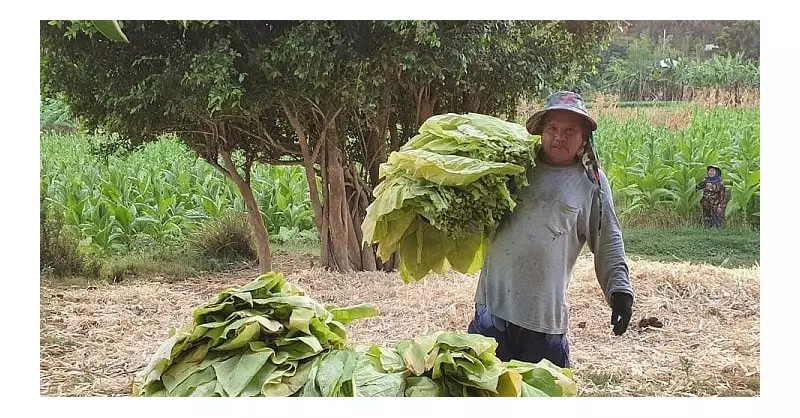
The Federation of Free Farmers emphasized the historical and economic significance of tobacco cultivation in the Philippines. The agriculture-focused NGO argued that advancements in smoke-free technologies have transformed the risk profile of nicotine consumption and urged FCTC delegates to pursue regulatory frameworks that reflect current science while supporting agricultural sustainability.
Anton Israel, president of the Nicotine Consumers Union of the Philippines, highlighted the exclusion of nicotine consumers from policy discussions. "Nicotine consumers must be engaged, not excluded," Israel asserted. "Evidence-based education that reaches the grassroots is key to promoting less harmful options."
The NCUP also noted that while Article 1 of the FCTC includes harm reduction as a guiding principle, the WHO has yet to fully embrace reduced-risk products as strategic tools to combat smoking.

As the global tobacco summit approaches, Philippine groups are sending a clear message to international delegates: "Let science lead, not outdated beliefs." They point to evidence from Public Health England concluding that vaping poses far fewer health risks than smoking, underscoring the urgent need for policy evolution.
"The time for urgent action is now," the NCUP declared. "Outdated tobacco policies must give way to harm reduction strategies that can save lives across the globe."