Infectious disease expert Dr. Rontgene Solante said on Tuesday, May 19, 2026, that the Philippines is well-prepared to address the threat of the Bundibugyo ebolavirus, which has been declared a public health emergency of international concern (PHEIC) by the World Health Organization (WHO).
Lessons from Covid-19
In a television interview, Solante highlighted the country's capacity to handle health emergencies, drawing on experiences from the coronavirus disease (Covid-19) pandemic and other outbreaks.
"For me, we are ready because we have overcome Covid-19 and other outbreaks. There are many lessons learned that would come in handy for this outbreak," Solante stated. He emphasized that border control measures, such as checking for symptoms and verifying passengers' countries of origin, are already in place.

No Travel Restrictions Needed
When asked about the possibility of imposing travel restrictions similar to those during the Covid-19 pandemic, Solante responded negatively. "Screening upon arrival in the Philippines is better rather than restrictions on travel to these affected countries," he explained, advocating for targeted screening over broad travel bans.
DOH Intensifies Border Screening
The Department of Health (DOH) has ordered heightened screening of travelers at the country's borders. In a video message, Health Secretary Teodoro Herbosa announced that the Bureau of Quarantine (BOQ) has been directed to enhance its border screening activities.
"The Bureau of Quarantine is on alert at airports and seaports for border control in accordance with proper health surveillance procedures," Herbosa said. "We are heightening our surveillance efforts at our borders to make sure the Ebola virus does not enter our country," he added.
WHO Declares PHEIC
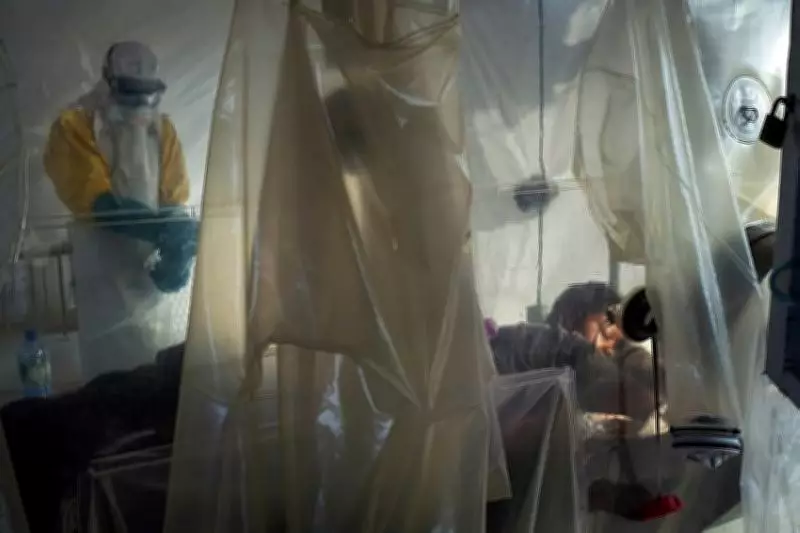
Over the weekend, the WHO declared a PHEIC over the spread of the Bundibugyo ebolavirus in the Democratic Republic of the Congo and Uganda. However, the WHO clarified that the PHEIC does not meet the criteria of a pandemic emergency, indicating a lower global risk level.
The Philippines remains vigilant, leveraging its pandemic-era infrastructure and protocols to prevent the virus from entering the country.