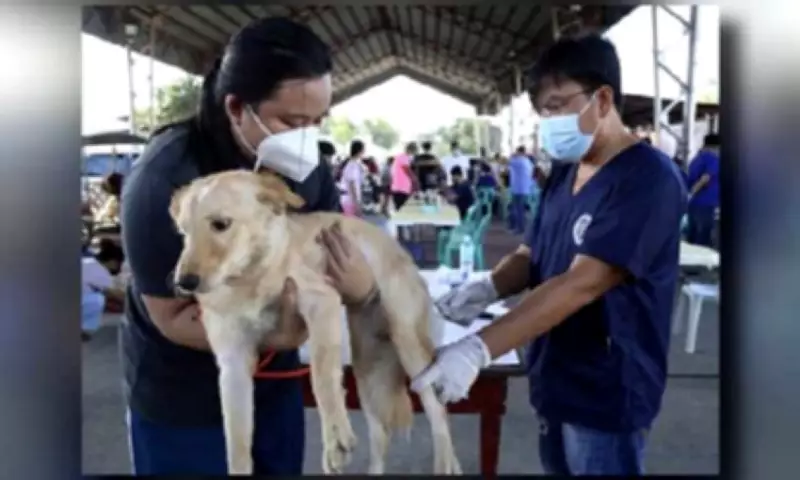
Rabies Cases in Philippines Show Significant Decline in Early 2026
The Department of Health (DOH) has released new data revealing a notable decrease in rabies cases across the country during the first two months of 2026. According to a recent social media announcement, the DOH recorded a total of 17 rabies cases from January 4 to February 21, 2026.
Sharp Reduction Compared to Previous Year
This figure represents a substantial 65% drop from the 49 cases reported during the same period in 2025. The DOH highlighted this positive trend as a sign of progress in rabies prevention efforts, though it continues to emphasize the ongoing risks associated with the disease.
Causes and Vaccination Status of Cases
The department noted that the cases were almost equally attributed to domestic pets and stray animals. A concerning detail emerged: 13 cases, or 76% of the total, involved unvaccinated animals. This underscores the critical role of vaccination in controlling the spread of rabies, a fatal viral disease transmitted through bites, scratches, or saliva from infected animals like dogs and cats.

DOH Recommendations for Prevention and Treatment
In response to these findings, the DOH has issued a strong call to action for the public to practice responsible pet ownership. The agency urges pet owners to ensure their animals are vaccinated to "stay paw-tected" against rabies. Additionally, the DOH provided clear guidelines for handling potential exposures:
- Immediate Wound Care: If bitten or scratched, victims should wash the wound thoroughly with soap and running water for at least 15 minutes.
- Prompt Medical Consultation: They must then consult the nearest DOH-certified animal bite treatment center to assess the need for a rabies vaccine.
- Complete Vaccination: Patients are advised to complete all required vaccine doses on schedule to ensure full protection.
These measures are vital in a country where rabies remains a public health concern, and the DOH's data serves as both a reminder of the dangers and a roadmap for safer communities through proactive animal care and swift medical response.