WHO Voices Grave Concerns Over Health Fallout from Iran Oil Facility Assaults
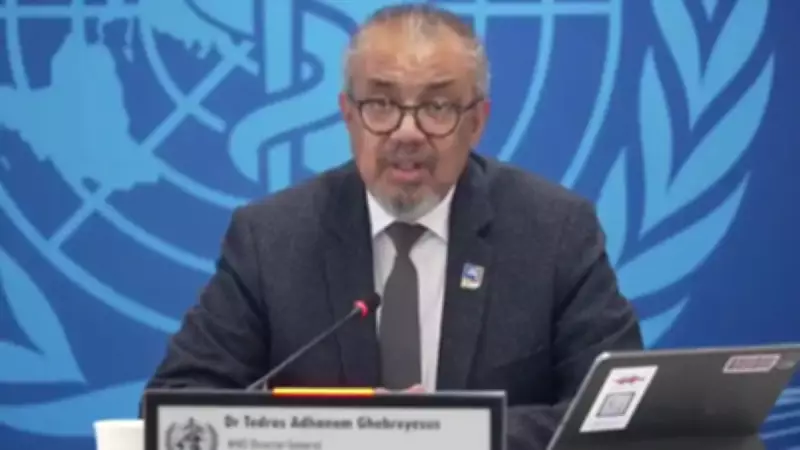
The World Health Organization (WHO) has issued a stark warning regarding the recent Israeli military strikes targeting oil facilities in Iran, highlighting significant and immediate threats to public health, particularly among vulnerable populations such as children and the elderly. WHO Director-General Tedros Adhanom Ghebreyesus emphasized that these attacks could lead to widespread contamination of essential resources, including food supplies, drinking water, and the air quality in affected regions.
Escalating Conflict and Environmental Hazards
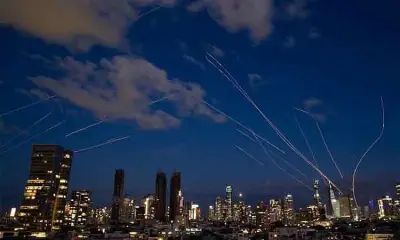
Iran has officially confirmed that several of its oil installations in Tehran and the neighboring Alborz province were hit by coordinated forces from the United States and Israel. This military action has triggered a retaliatory response from Iran, which launched missiles and drones targeting energy infrastructure in nearby Arab Gulf states, further exacerbating regional tensions and potential health crises.
The health implications are severe and multifaceted:

- Food and Water Contamination: Oil spills and chemical releases from damaged facilities pose a direct risk of polluting agricultural lands and water sources, leading to toxic exposure through consumption.
- Air Quality Degradation: Burning oil and emissions from the attacks can release harmful pollutants into the atmosphere, increasing respiratory issues and other health problems, especially for those with pre-existing conditions.
- Long-term Health Effects: Prolonged exposure to contaminants may result in chronic illnesses, developmental issues in children, and heightened mortality rates among the elderly.
International Response and Ongoing Threats
The WHO's alarm underscores the broader humanitarian and environmental consequences of such conflicts, urging all parties to consider the health impacts on civilians. As the situation continues to evolve, with Iran's counterstrikes adding to the instability, the risk of further contamination and health emergencies remains high. This incident highlights the urgent need for international cooperation to mitigate health risks and protect vulnerable communities in conflict zones.