ASEAN Voices Concern Over Middle East Conflict Following US-Israel Strikes on Iran
The Association of Southeast Asian Nations (ASEAN) has issued a strong statement on Wednesday, March 4, 2026, labeling the recent escalation of conflict in the Middle East as "regrettable." This development comes in the wake of a joint military operation by Israel and the United States against Iran on Saturday, February 28, 2026, which triggered retaliatory attacks by Tehran affecting multiple Gulf nations.
Escalation Amid Diplomatic Efforts
The ASEAN foreign ministers emphasized that the timing of this escalation is particularly unfortunate, as it coincides with ongoing diplomatic initiatives. These efforts, led by the Sultanate of Oman, are aimed at fostering a negotiated solution to regional tensions. In their statement, the ministers highlighted the importance of respecting international law, including the United Nations Charter, and called on all countries to adhere to these principles.
Call for Restraint and Dialogue
Expressing "serious concern" over the situation, ASEAN urged all involved parties to exercise utmost self-restraint. The ministers stressed the need to avoid actions that could further worsen the conflict and instead resolve differences through diplomacy and dialogue. They underscored that maintaining peace and stability in the region should be a priority, with all states obligated to settle disputes peacefully while respecting sovereignty and territorial integrity.

Protection of Civilians and Infrastructure
Furthermore, ASEAN reiterated the obligations to protect civilians and civilian infrastructure during armed conflicts, in line with international law and relevant UN Security Council resolutions. This commitment reflects the bloc's dedication to humanitarian principles amid the turmoil.
Emergency Assistance for Southeast Asians
In response to the crisis, ASEAN affirmed its shared commitment to provide emergency assistance to Southeast Asians affected by the conflict. This will be facilitated through established mechanisms, such as the ASEAN Declaration on Consular Assistance and guidelines for emergency aid in third countries. During ongoing ASEAN Socio-Cultural Community meetings in Makati, Social Welfare and Development spokesperson Irene Dumlao confirmed that Manila is ensuring assistance extends not only to Filipinos but also to nationals from other ASEAN member states.
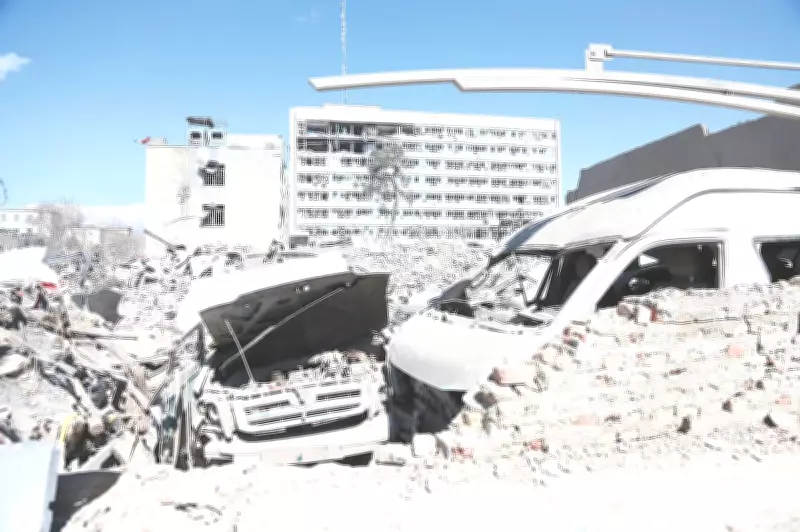
The conflict has already caused significant damage, as evidenced by photos from March 3, 2026, showing destroyed buildings and debris in Tehran following airstrikes. The retaliatory attacks have impacted countries including Bahrain, Jordan, Kuwait, Oman, Qatar, Saudi Arabia, Syria, and the United Arab Emirates, highlighting the widespread nature of the escalation.