China and Russia Block UN Resolution to Safeguard Strait of Hormuz Shipping
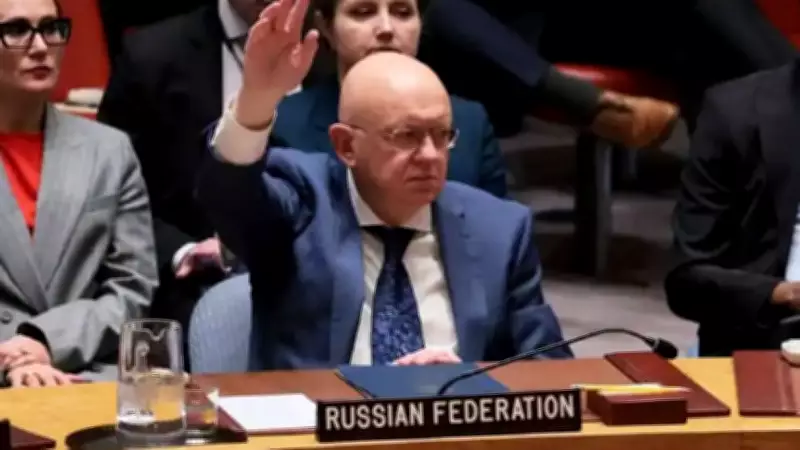
In a decisive move at the United Nations Security Council, China and Russia exercised their veto power to block a resolution designed to encourage international cooperation in protecting commercial vessels transiting the Strait of Hormuz. The vote, held on April 8, 2026, saw 11 members in favor, 2 opposed, and 2 abstentions among the 15-member council, with the resolution failing due to the vetoes from these two permanent members.
Resolution Fails Amid Regional Tensions
Bahrain Foreign Minister Abdullatif bin Rashid Al Zayani confirmed that the proposal was not approved because of opposition from a permanent member of the council. The resolution originated after Iran nearly closed the Strait of Hormuz following over five weeks of regional warfare, which began after attacks by the U.S. and Israel against Iran.
The Strait of Hormuz is a vital maritime chokepoint, accounting for approximately 20% of global oil and liquefied natural gas supplies. Its strategic importance underscores the high stakes involved in ensuring free and secure passage for commercial shipping.

International Condemnation and Humanitarian Concerns
U.S. Ambassador Mike Waltz strongly condemned the vetoes by China and Russia, describing the action as "a new low" and accusing the two nations of siding with Iran. Waltz emphasized that the closure of the strait is already impacting the delivery of medical aid to crisis-affected areas such as Congo, Sudan, and Gaza, exacerbating humanitarian challenges in these regions.
The United States has called on other countries to join its efforts to guarantee security and unimpeded navigation through the Strait of Hormuz, highlighting the need for collective action to maintain regional stability.
France Expresses Disappointment
France also expressed dismay over the actions of Russia and China. U.N. Ambassador Jerome Bonnafont stated that the resolution's objective was simply to provide security for the waterway, aiming to preserve safety in the region and prevent further escalation of tensions in the Middle East. Bonnafont stressed that the measure was intended as a neutral step to de-escalate conflicts and protect global trade interests.
Broader Implications for Global Trade and Security
The veto has significant implications for international trade and geopolitical dynamics. By blocking the resolution, China and Russia have positioned themselves in opposition to Western-led initiatives, potentially complicating diplomatic efforts to address security threats in the Middle East. This incident underscores the ongoing power struggles within the UN Security Council and the challenges of achieving consensus on critical global issues.
As tensions persist, the international community faces mounting pressure to find alternative mechanisms to ensure the safety of maritime routes and mitigate the humanitarian fallout from regional conflicts. The Strait of Hormuz remains a flashpoint, with its security directly tied to global energy markets and economic stability.