Iran Enforces Strict Maritime Coordination in Strait of Hormuz Amid Rising Tensions
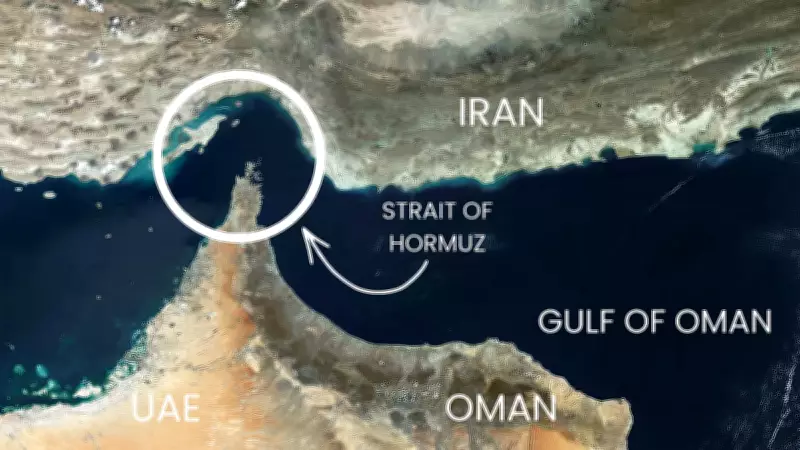
In a significant development, Iran has declared that all maritime vessels passing through the strategic Strait of Hormuz must now fully coordinate with Iranian maritime authorities. This announcement was made by Alireza Tangsiri, the Navy Commander of the Islamic Revolutionary Guard Corps (IRGC), on Tuesday, March 26, 2026, through a post on the social media platform X.
IRGC Actions and Escalating Regional Conflicts
Alireza Tangsiri detailed that IRGC naval forces recently intercepted a foreign container ship identified as "SELEN" after it failed to comply with required protocols and obtain a transit permit. This move underscores Iran's heightened vigilance in the waterway, which serves as a critical global oil transit route. The statements come against a backdrop of escalating tensions following a joint U.S. and Israel attack on Iran that began on February 28, 2026.
In response to these attacks, Iran retaliated with missile and drone strikes targeting Israeli and U.S. assets in the region. Since then, Iran has tightened its control over the Strait of Hormuz, specifically restricting passage for ships associated with the United States and Israel.

Official Statements and International Law Considerations
Iranian Foreign Minister Abbas Araghchi emphasized on Tuesday that the heightened danger in the Strait of Hormuz is a direct consequence of the U.S. and Israel attacks. He asserted that Iran's measures are in accordance with international law and are aimed at protecting the nation's sovereignty.
During a telephone call with Malaysian Foreign Minister Mohamad Hasan, Araghchi clarified that the strait is now closed to vessels connected to the United States, Israel, or any parties involved in the attacks, as per a statement from the Iranian Foreign Ministry. He added that other ships may still transit the waterway by cooperating with Iranian authorities to ensure safe passage.
Implications for Global Maritime Traffic
The enforcement of these new protocols could have far-reaching implications for international shipping and global energy supplies. The Strait of Hormuz is a vital chokepoint for oil tankers, and any disruptions could lead to increased geopolitical instability and economic repercussions. Iran's actions highlight the ongoing volatility in the Middle East and the complex interplay between national security concerns and international maritime norms.
As tensions persist, the international community is closely monitoring the situation, with many countries urging de-escalation to prevent further conflict in this strategically important region.