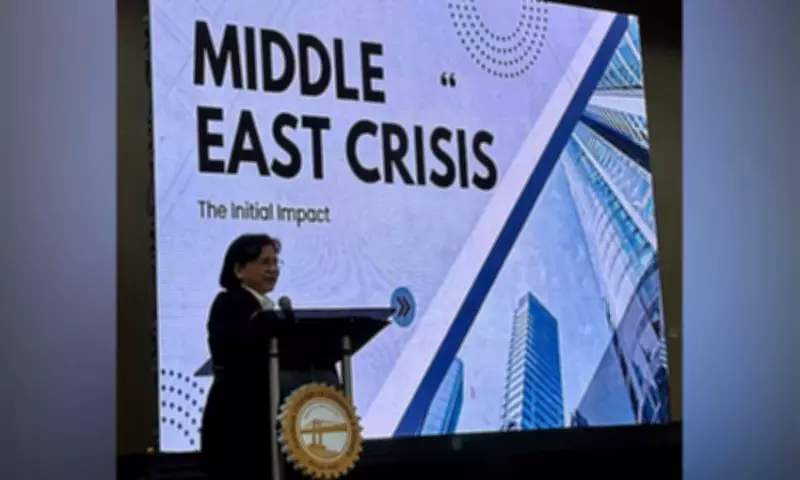
Logistics companies and micro, small, and medium enterprises (MSMEs) in Central Visayas are experiencing significant operational and cost pressures as tensions in the Middle East disrupt fuel prices and supply chains, according to a recent survey by the Department of Trade and Industry (DTI) 7.
Survey Highlights Early Signs of Strain
Citing initial results from a survey conducted from March 12 to 19, 2026, Theresa Sederiosa, Industry Development chief at DTI 7, stated that the data reflects early but clear signs of strain across key sectors. The findings were discussed during an economic forum titled "Navigating the Middle East Crisis and its Economic Impact," organized by the Mandaue Chamber of Commerce and Industry on Monday, March 23.
Logistics Sector Severely Impacted
In the logistics sector, 45 percent of respondents reported being severely affected, while 30 percent noted moderate impact, indicating that the majority of firms are already grappling with disruptions. Companies highlighted route adjustments, fewer trips, and rising fuel and operating costs as the most immediate challenges.

"These are early signals that logistics operations are tightening, with higher costs and reduced capacity already being felt," Sederiosa said. She added that industry players are seeking government support, including fuel subsidies, price stabilization measures, and stronger coordination among agencies to ease supply chain bottlenecks.
MSMEs Face Mounting Cost Pressures
Meanwhile, MSMEs are also confronting mounting cost pressures. Survey results showed that 22 percent reported increased shipping and freight costs, alongside rising raw material prices, peso depreciation, and higher energy expenses. Most MSMEs described the impact as moderate, though risks of escalation remain.
Sederiosa warned that current price pressures could evolve into broader supply-side challenges if disruptions persist. "What used to be a price problem may evolve into a supply issue if disruptions continue," she said, noting that prolonged instability could lead to production slowdowns and employment risks.
DTI Interventions and Future Outlook
Sederiosa explained that the survey results will guide DTI 7's ongoing interventions, such as price and supply monitoring, as well as efforts to identify alternative sources of raw materials and markets. However, she emphasized that the findings represent only an initial snapshot, with the potential for conditions to worsen as the situation develops.
"This was conducted early in the crisis. If we repeat the survey, results may already be different," she cautioned, underscoring the dynamic nature of the economic impact from the Middle East tensions.