Several Philippine-flagged commercial vessels have successfully navigated into the strategic Strait of Hormuz after a recent bilateral agreement between the Philippines and Iran, according to Energy Secretary Sharon Garin. However, this development comes amid a dire humanitarian situation, with thousands of Filipino seafarers still stranded across the Persian Gulf region.
Agreement Opens Critical Maritime Route
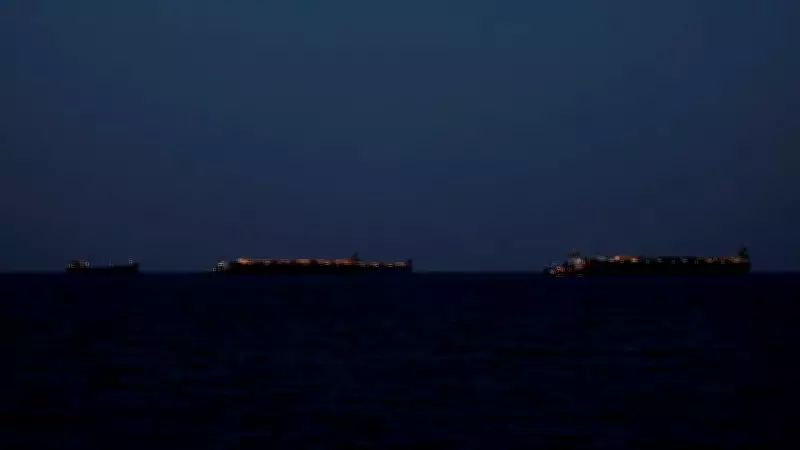
During an online press conference, Secretary Garin confirmed that multiple Philippine ships have entered the strait following the diplomatic accord. She emphasized that these initial vessels are not transporting crude oil but are carrying other essential products, including petrochemicals and general cargo.
"Clearance is crucial not only for the safe passage of our flagged vessels but also for the goods destined for the Philippines and, most importantly, for the safety of our crew members," Garin stated, highlighting the multifaceted importance of the agreement.

Strategic and Economic Significance
The Strait of Hormuz is a narrow, vital chokepoint connecting the Persian Gulf and the Gulf of Oman to the Arabian Sea. Prior to the current regional crisis, this maritime corridor facilitated the transit of approximately 20% of the global oil supply, alongside numerous other critical commodities.
Iran had previously closed the strait following military actions by the United States and Israel, severely disrupting international shipping lanes and escalating geopolitical tensions in the Middle East.
Ongoing Crisis for Filipino Crews
Despite the breakthrough for vessel movement, reports indicate that thousands of Filipino seafarers remain stranded in the Persian Gulf and the Strait of Hormuz area. This figure does not even include those working on offshore oil and gas facilities, who face separate logistical and safety challenges.
The Department of Migrant Workers has issued a statement affirming its commitment to assisting all affected Filipino crewmembers. "We are exhausting all diplomatic and logistical channels to provide support and ensure the welfare of our overseas Filipino workers impacted by this conflict," a department spokesperson said.
The situation underscores the complex interplay between diplomatic agreements, global trade security, and the urgent humanitarian needs of the international maritime workforce caught in geopolitical crossfires.