The International Committee of the Red Cross (ICRC) has issued a stark warning regarding the escalating conflict in the Middle East, highlighting the severe and growing impact on civilian populations. ICRC President Mirjana Spoljaric Egger emphasized that the targeting of essential infrastructure constitutes a form of warfare against civilians, exacerbating humanitarian crises in the region.
Critical Infrastructure Under Threat
Spoljaric Egger stated that attacks on vital systems such as water, electricity, and medical facilities are particularly alarming, as they directly endanger civilian lives and well-being. She underscored that such actions violate international humanitarian law, which mandates the protection of non-combatants and critical civilian assets during armed conflicts.
Nuclear Sites: A Potential Catastrophe
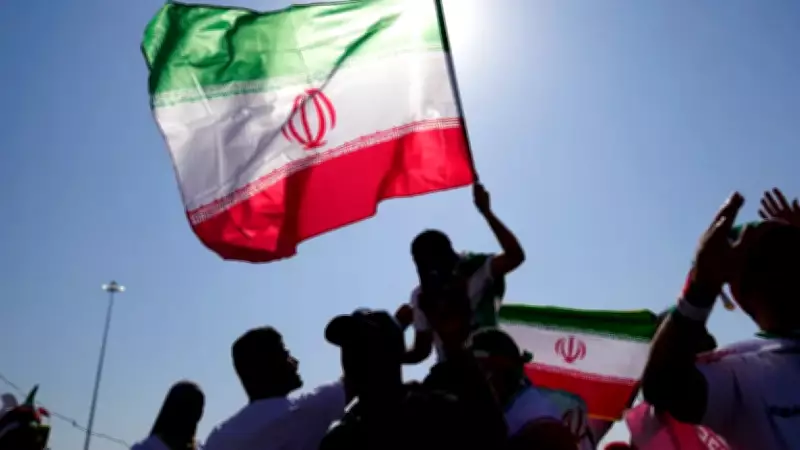
The ICRC president expressed heightened concern over the possibility of nuclear sites in Iran being struck, warning that this could lead to unprecedented and devastating consequences. She noted that any damage to nuclear facilities would not only cause immediate harm but also have long-term environmental and health repercussions, potentially affecting millions of people across borders.

Calls for Diplomatic Engagement
In response to the escalating tensions, the ICRC has called for immediate diplomatic talks between Iran and Israel to de-escalate the situation. The organization urged all parties to prioritize dialogue and peaceful resolution mechanisms to prevent further loss of life and infrastructure damage.
Background on Recent Developments
This appeal comes in the wake of recent disclosures by former US President Donald Trump, who revealed that representatives from the United States and Iran had initiated discussions. Trump had previously issued a 48-hour ultimatum for the reopening of the Strait of Hormuz, a critical maritime chokepoint, highlighting the geopolitical stakes involved in the region's stability.
The ICRC's warnings underscore the urgent need for international attention and action to mitigate the humanitarian fallout from the Middle East conflict, as civilian suffering continues to mount amid the ongoing hostilities.