Exporters Sound Alarm Over Strait of Hormuz Tensions and Economic Fallout
Exporters are on high alert as escalating tensions in the Middle East threaten to disrupt the Strait of Hormuz, a vital global oil transit route, potentially triggering fuel price surges and economic strain for Philippine businesses and consumers. Fred Escalona, executive director of the Philippine Exporters Confederation Inc. (Philexport) Cebu Chapter, emphasized the deep concerns among Cebu exporters, citing fears over rising oil prices and their broader economic repercussions.
The Critical Role of the Strait of Hormuz
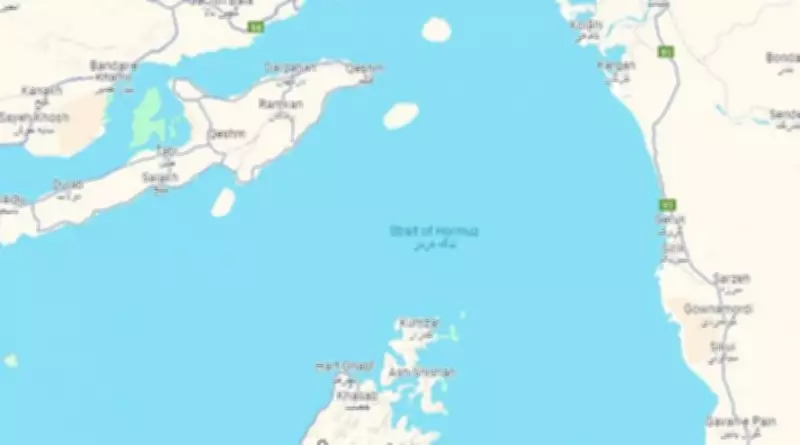
Escalona highlighted that the Strait of Hormuz is often dubbed the world's most crucial energy chokepoint, facilitating approximately one-fifth of daily global oil shipments. This narrow waterway connects the Persian Gulf to major shipping lanes, serving as an essential corridor for crude oil and liquefied natural gas exports from the Middle East. For energy-importing nations like the Philippines, the stability of this passage is not merely a distant geopolitical issue but a direct economic necessity, as any disruption could have immediate and severe consequences.
Risks Beyond Military Conflict
While military clashes often dominate headlines, Escalona pointed out that the more immediate threat to global trade may stem from financial markets. Maritime insurers could suspend or sharply increase war-risk insurance coverage for vessels in high-risk zones like the Strait of Hormuz. Without such insurance, tanker operators face challenges in securing bank financing, accessing international ports, or legally navigating contested waters. This scenario could effectively close the Strait commercially, even if shipping lanes remain physically open, leading to rapid oil price hikes and fueling inflation worldwide.

Economic Impacts on the Philippines
Higher fuel costs would ripple through key sectors such as transportation, manufacturing, and agriculture, ultimately raising consumer goods prices. Escalona warned that energy-importing countries like the Philippines could experience particularly severe effects, including increased electricity prices, elevated transportation expenses, and mounting inflationary pressures. These factors could also slow economic growth as households and businesses grapple with rising operational costs.
Mutual Dependence and Calls for Stability
Escalona noted that Iran, despite occasional threats to close the Strait, relies heavily on this route for its oil exports, making it a shared economic lifeline rather than a weapon. He urged the international community to view the Strait of Hormuz as a neutral global energy corridor, advocating for coordinated naval patrols and state-backed insurance guarantees to maintain stability. Additionally, he recommended that countries like the Philippines diversify energy sources and invest in renewables and strategic reserves to build long-term resilience.
In conclusion, Escalona stressed that the Strait of Hormuz will remain critical to global energy flows for decades, and any disruption would harm not just individual nations but the entire global economy, underscoring the need for proactive measures to ensure its uninterrupted operation.