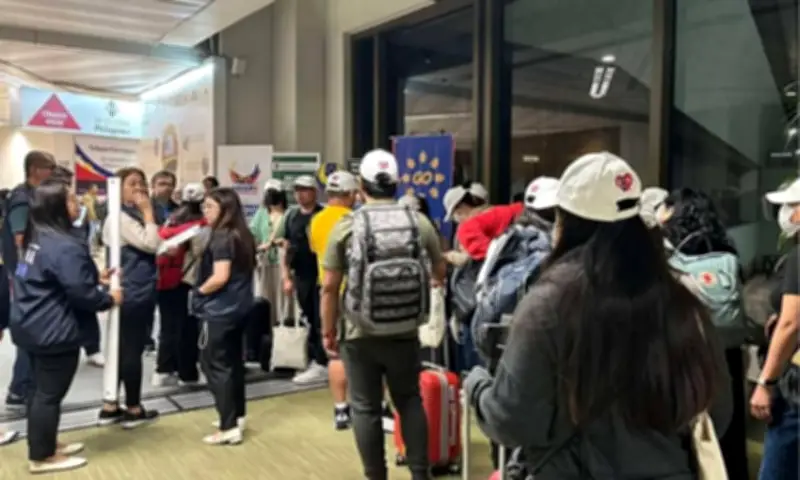
Davao City Councilor Rachel Zozobrado is advocating for stronger legislation to protect Overseas Filipino Workers (OFWs) as illegal recruitment cases continue to target aspiring migrant workers. Zozobrado, chairperson of the Committee on International Relations, emphasized the city government's role in safeguarding migrant workers during a privilege speech on June 9, 2026, at the Sangguniang Panlungsod.
Local Government Collaboration
Zozobrado stated that the local government is strengthening its partnership with the Department of Migrant Workers, the Overseas Workers Welfare Administration, and the city's OFW Families Welfare and Crisis Center under the City Social Welfare and Development Office to ensure accessible services for OFWs and their families. "The true measure of our gratitude is not found in how often we call them heroes. It is found in how effectively we protect their rights, support their families, and create conditions where migration becomes a genuine choice rather than a necessity," she said.
Pre-Employment Seminars and Help Desks
As part of the city's efforts, it supports Pre-Employment Seminars in barangays to equip aspiring OFWs with necessary information. Zozobrado's committee is working on a legislative measure to address illegal recruitment and strengthen local protection mechanisms, including establishing OFW help desks at the barangay level. "These initiatives may appear modest when compared to the scale of migration, but meaningful protection often begins at the local level. It begins with informed communities, accessible services, and institutions that listen and respond," she added.

Challenges Faced by OFWs
Zozobrado highlighted the invaluable contributions of OFWs as nurses, caregivers, engineers, seafarers, domestic workers, teachers, and more, noting their skills and resilience. However, many face serious challenges such as illegal recruitment, contract substitution, delayed wages, poor working conditions, discrimination, abuse, and limited legal remedies. She also acknowledged the emotional burden of separation from families, with many children growing up with one or both parents abroad.
National Migrant Workers' Day
Every June 7, the Philippines commemorates National Migrant Workers' Day under Republic Act No. 8042, the Migrant Workers and Overseas Filipinos Act of 1995. Zozobrado stressed that OFWs should be honored not just through words but through policies and programs that respond to their needs. "Behind every remittance sent home is a parent who misses birthdays, graduations, and family dinners. Behind every successful OFW story is a period of uncertainty, adjustment, loneliness, and sacrifice that often remains unseen," she said.
Illegal Recruitment Data
Data from the Department of Migrant Workers show Davao City recorded 72 human trafficking-related cases as of December 31, 2025—the highest in the Davao Region. Other areas include Davao del Norte (13), Davao Oriental (12), Davao del Sur (10), Davao de Oro (2), and none in Davao Occidental. Most victims came from barangays Talomo (16), Marilog (15), Toril (9), Calinan (7), Buhangin (4), Bunawan and Poblacion (3 each), Agdao (2), and Paquibato and Tugbok (1 each), with 11 unidentified. Most victims are women lured by job offers in Japan, Australia, and Canada, and many suspected recruiters operate in Davao City.