Ecuador Mobilizes 75,000 Soldiers in Major Crime Crackdown
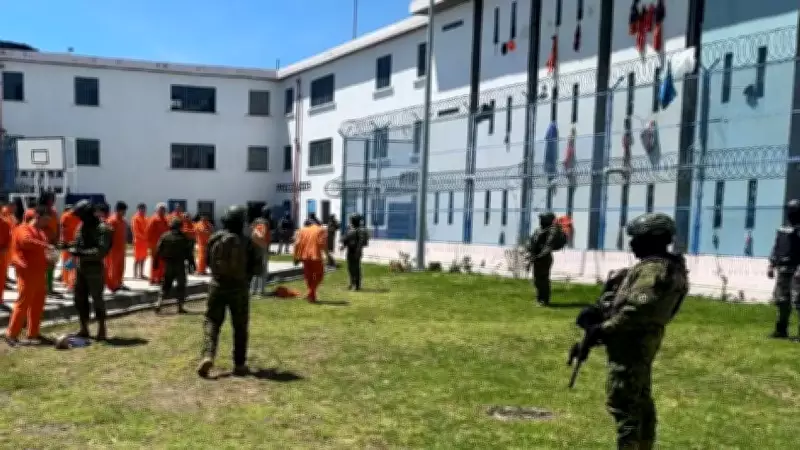
In a decisive move to combat escalating criminal activities, the government of Ecuador has deployed approximately 75,000 troops across four provinces experiencing significant unrest. This large-scale military operation is accompanied by the implementation of a strict nighttime curfew, aimed at curbing violence and restoring order in the nation.
Background of the Security Crisis
Since assuming office in 2023, Ecuadorian President Daniel Noboa has adopted a stringent stance against crimes linked to illegal drugs. However, the past year has seen a troubling surge in homicides and violent incidents across the country, highlighting the persistent challenges in tackling organized crime.
Ecuador finds itself in a precarious geographical position, situated between Colombia and Peru, which are the world's largest producers of cocaine. This location has made the nation a key transit point for drug cartels, exacerbating security issues and contributing to the rise in criminal enterprises.

International Context and Government Response
Ecuador is among 17 countries actively combating criminal cartels involved in the illicit drug trade. The recent deployment of troops and the imposition of a curfew represent a significant escalation in the government's efforts to address these threats. Authorities hope that these measures will disrupt criminal networks and reduce violence in the affected provinces.
The curfew, enforced during nighttime hours, is designed to limit movement and prevent criminal activities under the cover of darkness. This strategy is part of a broader initiative to enhance public safety and demonstrate the government's commitment to law enforcement.
Implications and Future Outlook
This military mobilization underscores the severity of the security situation in Ecuador and the government's determination to confront it head-on. While the immediate goal is to stabilize high-tension areas, long-term success will depend on sustained efforts and potential international cooperation in the fight against drug trafficking.
As the situation develops, residents and observers alike are watching closely to see if these measures lead to a tangible reduction in crime rates and an improvement in overall security across the nation.