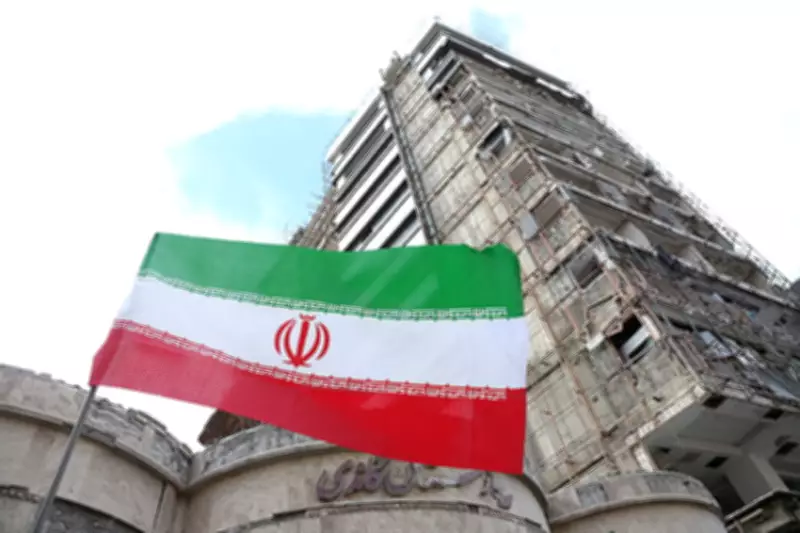
In a defiant address on Sunday, March 8, 2026, Iranian President Masoud Pezeshkian declared that Iranians will staunchly resist any attempts by "enemies" to encroach upon the nation's sovereignty, following a series of devastating joint attacks by the United States and Israel. The remarks, reported by the official Islamic Republic News Agency, were delivered during a meeting with Health Minister Mohammad-Reza Zafarghandi in Tehran, where Pezeshkian outlined Iran's firm stance on the escalating military confrontations.
Clarifying Regional Relations Amid Escalating Tensions
President Pezeshkian moved to clarify his previous statements from Saturday, in which he extended apologies to neighboring countries and indicated a cessation of attacks against them. He emphasized that these comments had been misinterpreted by adversaries seeking to sow discord between Iran and its regional allies. "We have consistently underscored our good and brotherly ties with neighboring nations," Pezeshkian asserted, stressing that Iran's responses to any aggression launched from other states' territories would not imply disputes with those countries or their populations.
Apology to Affected Populations and a Pledge of Resilience
Expressing concern for civilians caught in the crossfire, Pezeshkian stated, "We are deeply troubled by the dear peoples who have suffered due to regional tensions, and we offer our sincere apologies to them." Despite the profound challenges facing Iran, including the loss of Supreme Leader Ali Khamenei and senior military figures in the February 28 strikes, the president vowed unwavering national unity. "Iranians will stand resolutely against their enemies and will not permit them to seize even a single inch of our country's soil," he declared, reinforcing the nation's commitment to territorial integrity.

Broader Regional Repercussions and Oil Market Warnings
The conflict has triggered significant regional fallout, with Iran retaliating through multiple waves of missile and drone strikes targeting US and Israeli bases across the Middle East. These developments have sparked acute concerns over potential disruptions to oil exports and global energy stability. In a social media post on X, Iran's Parliament Speaker Mohammad Bagher Ghalibaf issued a stark warning on Sunday, highlighting that the continuation of hostilities could severely impair oil production and exports in West Asia.
Criticism of US Claims and Broader Economic Implications
Ghalibaf directly criticized remarks by US President Donald Trump, who had downplayed the risk of sharp oil price surges, noting that rising prices have already contradicted such assertions. The parliament speaker cautioned that prolonged conflict could not only jeopardize US interests but also harm those of other nations, attributing the crisis to what he termed the "delusions" of Israeli Prime Minister Benjamin Netanyahu. This underscores the escalating economic stakes as the military confrontation threatens to destabilize key energy corridors and international markets.